


2,711,226
Population of Chicago

374,665
Residents aged 65 and older in Chicago

1269
Senior Living & Care Options in Chicago

$6,275/Month
Average cost of Senior Living & Care in the area.
Chicago, with a population of 2,711,226, is home to 374,665 residents aged 65 and older. The city offers 1269 senior living and care options. The average monthly cost of senior living & care in the area is $6,275.
In Chicago, IL, a weekday at a senior center might bring a wellness class, a lesson, a meal, and help with benefits. The City's centers link older adults to all of that, along with recreation and other community resources. There are six Regional Senior Centers: Central West, Northeast Levy, Northwest Copernicus, Renaissance Court, Southeast Atlas, and Southwest.
Meals bring people together, too. Through the Golden Diners Program, the City serves adults 60 and older, and their spouses of any age, at about 50 community dining sites. With sites in so many parts of the city, a meal out can turn into a weekly habit.
The City itself runs all of this. On the Illinois Department on Aging's agency list, Planning and Service Area 12 is the City of Chicago. Its Area Agency on Aging is the Chicago Department of Family and Support Services, or DFSS. The department runs that work through its Senior Services division. For families, that means one City department handles aging services in all 77 community areas.
At the Chicago Midway Airport station, NOAA's 1991 to 2020 climate normals give January an average low of 19.4°F and July an average high of 85.0°F. That puts a typical January night more than 12 degrees below freezing. So when senior living communities in Chicago, IL, make your list, find out how residents reach meals, classes, and their cars in deep winter.
The city has hospitals of its own. Medicare's hospital data lists Northwestern Memorial Hospital, Rush University Medical Center, and The University of Chicago Medical Center in Chicago, IL. All three appear there as acute care hospitals that offer emergency services. In everyday terms, residents can get hospital care without leaving the city. Rush says its emergency departments stay open 24 hours a day, all week long, staffed by emergency medicine specialists.
Senior living in Chicago, IL, spans many kinds of care. Below, a separate section walks through each one, from aides who come to the house through skilled nursing. You'll find what each type includes and the questions that matter in this city. Reading one level beyond today's needs pays off, since those needs can shift. Every provider is listed, so the choices stay yours. Contact any that catch your eye, at whatever pace feels comfortable.
Chicago, IL at a Glance




Home Care in Chicago, Illinois
View All Providers-
 4.7Premium
Assisting Hands - Chicago North
4311 N. Ravenswood Avenue Suite 100, Office 109 Chicago, IL 60613
Home Care (Non-Medical) -
-
 4.9Verified
Right at Home - Chicago Metro
101 W Grand Ave, Ste 208 Chicago, IL 60654
Home Care (Non-Medical) -
 4.9Verified
Home Instead - Chicago
1165 N Clark St Ste 700 Chicago, IL 60610
Home Care (Non-Medical) -
 5.0Verified
Comfort Keepers - E Chicago
1 E Superior St, Ste 605 Chicago, IL 60611
Home Care (Non-Medical)


Independent Living & Active Adult Living in Chicago, Illinois
View All Providers-
 4.3Premium+
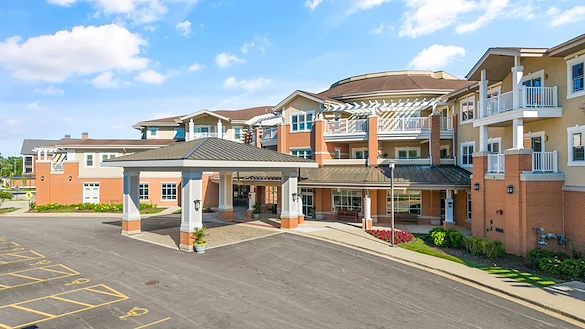
Covenant Living of Northbrook Senior Living
2625 Techny Road Northbrook, IL 60062
Independent LivingAssisted LivingLife Plan Community/CCRCRespite Care -
 4.6Verified
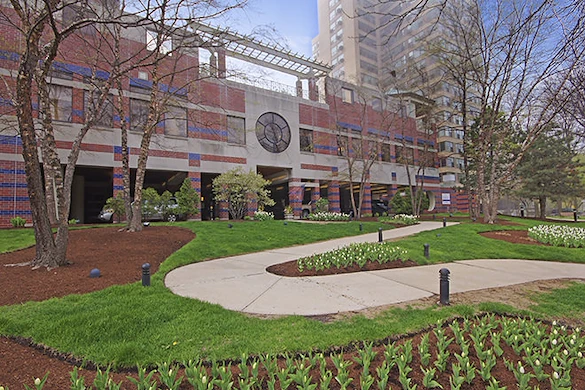
The Hallmark
2960 North Lake Shore Drive Chicago, IL 60657
Independent LivingAssisted Living -
 4.6Verified
New City Supportive Living
4707 S Marshfield Ave Chicago, IL 60609
Independent LivingAssisted Living -
 4.9
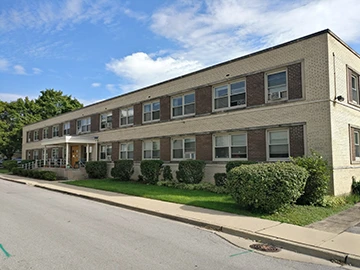
Immanuel Residences for the Elderly
9800 S. Campbell Avenue Evergreen Park, IL 60805
Independent LivingLow Income / Affordable -
 4.4Verified
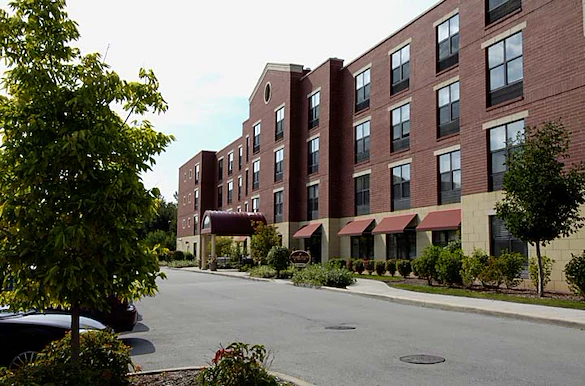
Green Oaks of River Oaks
1370 Ring Rd Calumet City, IL 60409
Independent LivingAssisted Living


Assisted Living in Chicago, Illinois
View All Providers-
4.3Premium+
Covenant Living of Northbrook Senior Living
2625 Techny Road Northbrook, IL 60062
Independent LivingAssisted LivingLife Plan Community/CCRCRespite Care -
 4.3Premium
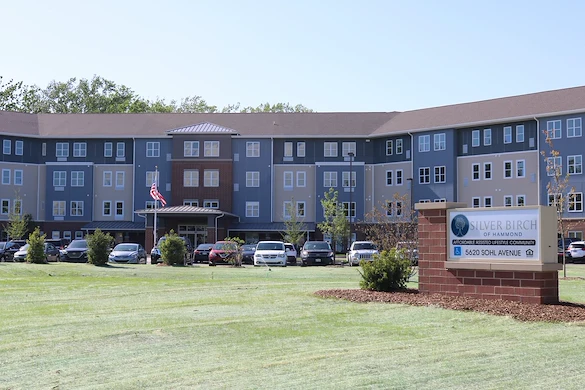
Silver Birch of Hammond
5620 Sohl Avenue Hammond, IN 46320
Assisted LivingLow Income / Affordable -
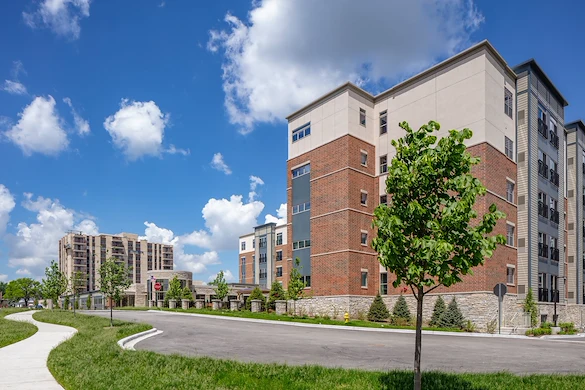 4.2Premium
StoryPoint La Grange
35 Shawmut Ave La Grange, IL 60525
Assisted LivingMemory CareRespite Care -
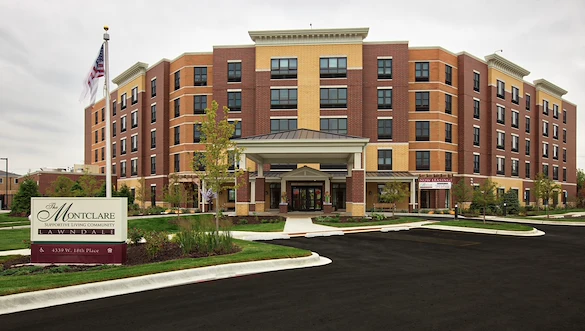 4.8Verified
The Montclare Supportive Living Community
4339 W 18th Pl Chicago, IL 60623
Assisted Living -
-
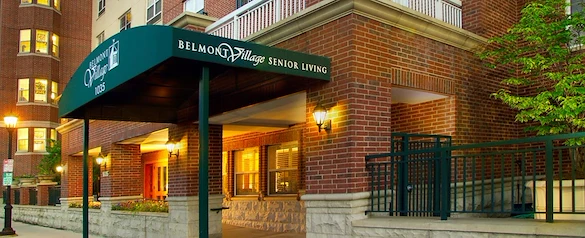 4.5Verified
Belmont Village Oak Park
1035 Madison St Oak Park, IL 60302
Assisted LivingMemory CareRespite Care -
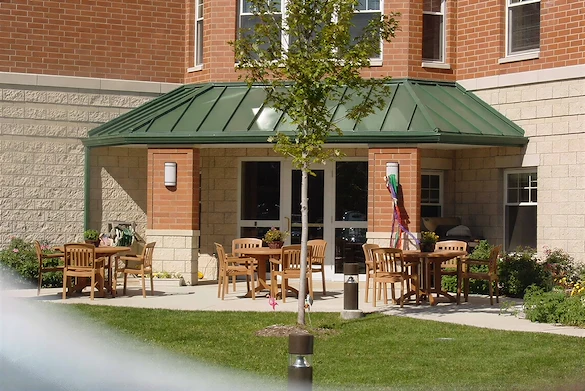 4.2Verified
St Joseph Village Of Chicago
4021 W Belmont Ave Chicago, IL 60641
Assisted LivingMemory CareRespite Care


Memory Care in Chicago, Illinois
View All Providers-
 4.4Premium+
Three Crowns Park
2323 McDaniel Avenue Evanston, IL 60201
Independent LivingAssisted LivingMemory CareLife Plan Community/CCRC -
4.2Premium
StoryPoint La Grange
35 Shawmut Ave La Grange, IL 60525
Assisted LivingMemory CareRespite Care -
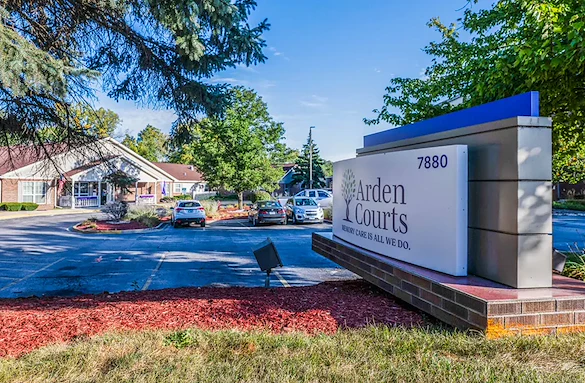 4.7Premium
Arden Courts at Palos Heights
7880 West College Dr Palos Heights, IL 60463
Memory CareRespite Care -
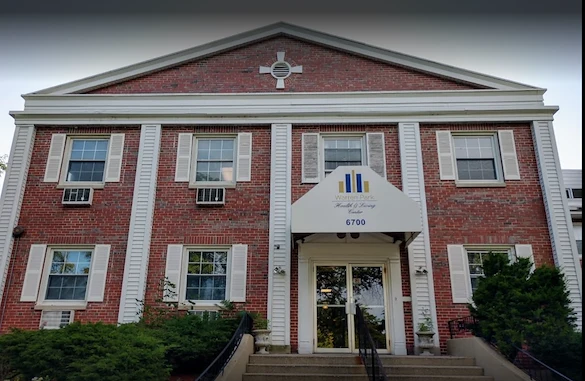 3.0Verified
Warren Park Health & Living Center
6700 North Damen Avenue Chicago, IL 60645
Memory CareLong-Term Care / Skilled NursingSkilled RehabilitationRespite Care -
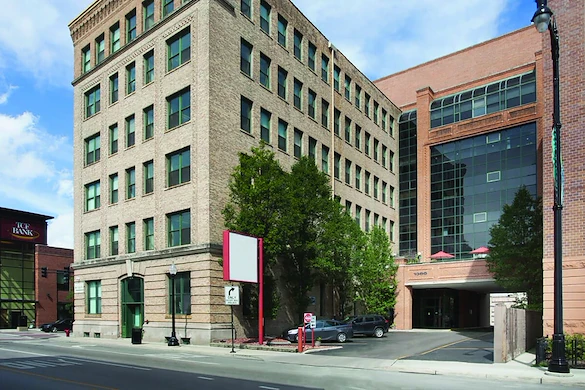 2.0Verified
Avantara Lincoln Park
1366 West Fullerton Avenue Chicago, IL 60614
Memory CareLong-Term Care / Skilled NursingSkilled Rehabilitation -
4.5Verified
Belmont Village Oak Park
1035 Madison St Oak Park, IL 60302
Assisted LivingMemory CareRespite Care -
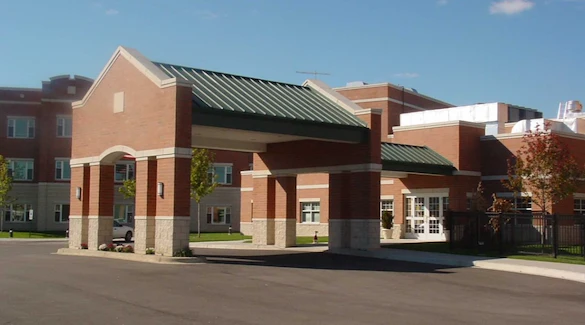 5.0Verified
St Joseph Village of Chicago Healthcare
4021 West Belmont Chicago, IL 60641
Memory CareLong-Term Care / Skilled NursingSkilled RehabilitationRespite Care


Long Term Care & Skilled Nursing in Chicago, Illinois
View All Providers-
 5.0Verified
Terraces At The Clare
55 East Pearson Chicago, IL 60611
Long-Term Care / Skilled NursingSkilled RehabilitationRespite Care -
 1.0Verified
Warren Barr South Loop
1725 South Wabash Avenue Chicago, IL 60616
Long-Term Care / Skilled NursingSkilled Rehabilitation -
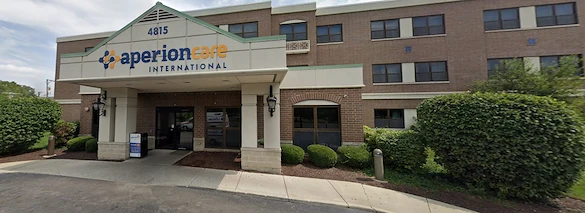 1.0Verified
Aperion Care International
4815 South Western Ave Chicago, IL 60609
Long-Term Care / Skilled NursingSkilled Rehabilitation -
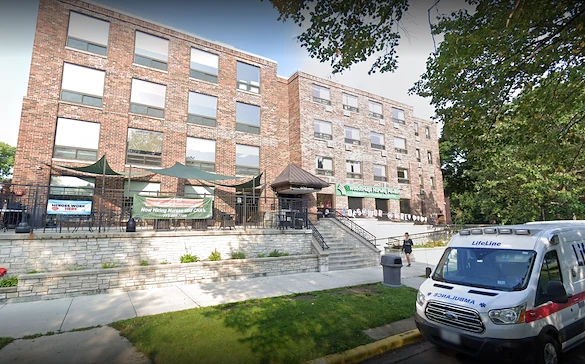 2.0Verified
The Pavilion Of Logan Square
2242 North Kedzie Chicago, IL 60647
Long-Term Care / Skilled NursingSkilled Rehabilitation


Compare Assisted Living Costs in Illinois
The chart sets Illinois beside the nation on average monthly assisted living costs.
We cover statewide costs, and how families pay, on our Illinois page. There's a section for home care, plus assisted living, independent living, and nursing homes.
So far, none of those sections takes up memory care. For memory care questions, the City's Area Agency on Aging, DFSS Senior Services, is a good first call.
Local Resources for Older Adults in Chicago, IL
These City, transit, and library services help older adults in Chicago, IL. Follow each link for details and who can use the service.
- Senior Services, City of Chicago. The DFSS division that is the City's Area Agency on Aging. It offers meals, help at home, and support for caregivers. Senior Services
- DFSS Senior Centers. Six regional and 14 satellite centers with classes, meals, and help with benefits. Senior Centers
- Information and Assessment. The City's front door for help with aging needs, reached at City Hall or a regional center. Information and Assessment
- City of Chicago Long-Term Care Ombudsman Program. A City team that represents people living in long-term care. Ask DFSS Senior Services for a referral. Ombudsman Program
- Dementia Care Programs. City training and stress help for people who care for someone with dementia. Dementia Care Programs
- Pace ADA Paratransit. Reserved rides anywhere in the City of Chicago for riders who are certified. ADA Paratransit Service
- Assistive Resources and Talking Book Center. A Chicago Public Library center with tools for readers with vision loss or physical disabilities. Chicago Public Library
Frequently Asked Questions
Yes. Along with the six regional centers, DFSS runs 14 Satellite Senior Centers that offer neighborhood-based programs, activities, and services. Among them are Abbott Park, Auburn Gresham, Edgewater, Kelvyn Park, Norwood Park, Pilsen, Portage Park, and Roseland. That puts programs closer to the neighborhoods where people live.
The regional centers add one more service. Volunteer counselors with the Senior Health Insurance Program, or SHIP, meet one-on-one with people about Medicare and insurance. That help is handy when coverage questions come up before or after a move, and it sits right alongside the classes and meals.
Start with the City's Information and Assessment program. DFSS calls it a one-stop resource for eldercare services, both its own and those of other providers. The main office is in City Hall. The Regional Senior Centers offer access as well, so you can begin at City Hall or at one of the regional centers.
DFSS Senior Services says it works to serve older adults facing social isolation and people from diverse communities. Its overview of services is offered in Chinese, Korean, Polish, Russian, Spanish, and Vietnamese, too. That makes the first step easier when English isn't the language spoken at home.
Pace's ADA paratransit covers the whole City of Chicago. It offers individually reserved rides to people whose disabilities or health conditions keep them from using fixed-route buses or trains. It runs whenever fixed-route service does, matching its days and hours, and each rider needs certification from the Northern Illinois Transit Authority first.
Trips are reserved a day ahead. Pickups count as on time if they come within 30 minutes of the scheduled time, so building in extra time before an appointment helps. Riders 65 and over who still use buses and trains can get a Reduced Fare permit good on CTA, Metra, and Pace. It's also fair to ask communities on your list whether they offer rides of their own.
Line up a few communities against one set of questions, and know who can help after a move. The state's list of regional ombudsman offices names DFSS as the provider for the City of Chicago. The City says its own ombudsman team speaks for people in assisted living, skilled nursing, supportive living, shelter care, and other long-term care settings.
You can reach the team by asking DFSS Senior Services for a referral to the City's Long-Term Care Ombudsman Program. When comparing, it helps to visit more than one community with an identical list of questions. Add the license question raised in the assisted living section, too.
The Chicago Park District's Garfield Park Conservatory is one good answer. It holds about two acres of plants under glass, with thousands of plant species spread through eight rooms and kept at tropical temperatures. On a cold day, that means a warm place to walk and look around without heading back outdoors.
With eight rooms to explore, a visit has built-in places to pause, so a visit can move at a slow, relaxed pace. Inviting a friend or relative turns it into a winter outing to share. On a tour, you could ask whether a community's group trips ever go there.
The Chicago Public Library's Assistive Resources and Talking Book Center is a strong first stop. It's on the 5th floor of Harold Washington Library Center, and it has assistive technology for people who are blind, have low vision, or have physical disabilities. That means reading doesn't have to stop when eyesight changes.
The library also lists a monthly book discussion for people with visual disabilities and a monthly book discussion in American Sign Language. Audio described DVDs and large print books add more ways to enjoy a story. For someone who loves to read, a book group can also bring new friends.
Sources, checked Nov. 10, 2026: Illinois Department on Aging, City of Chicago facts, Chicago Department of Family and Support Services, DFSS Senior Services, DFSS Senior Services overview, Information and Assessment, Golden Diners Program, Home Delivered Meals, DFSS Senior Centers, Caregiver Support Services, Dementia Care Programs, Illinois regional ombudsman list, City ombudsman team, Pace, Northern Illinois Transit Authority, CMS hospital data, Rush University Medical Center, Chicago Park District Lakefront Trail, Garfield Park Conservatory, Chicago Park District programs, City farmers markets, DFSS Senior Fest, Chicago Public Library, NOAA climate normals, assisted living license law, and dementia care disclosure rule.