

198,535
Population of Grand Rapids

25,584
Residents aged 65 and older in Grand Rapids
250
Senior Living & Care Options in Grand Rapids

$7,333/Month
Average cost of Senior Living & Care in the area.
Grand Rapids, with a population of 198,535, is home to 25,584 residents aged 65 and older. The city offers 250 senior living and care options. The average monthly cost of senior living & care in the area is $7,333.
In Grand Rapids, MI, giving up the car keys doesn't have to mean staying home. The Rapid, the area's public transit agency, runs GO!Bus, a shared-ride paratransit service you book ahead. It also carries riders 65 and older who have no disability, and it doesn't ask what a trip is for.
To ride because of age, you fill out a proof-of-age application from the GO!Bus office. Approved riders travel in the same area, on the same days, and at the same hours as the regular buses. A companion, a personal care attendant, or a service animal can come along, too. The Rapid is also part of RideLink, a network of local transportation providers. RideLink offers rides to people 60 and older anywhere in Kent County, whether it's a doctor visit, a shopping trip, or a day out for fun.
Those rides can lead somewhere pleasant. Riverside Park, on Monroe Avenue NE, is a large urban park run by the City. It has walking trails, a picnic shelter, free parking, and free public Wi-Fi. The City also rents kayaks there on the Grand River. There's an accessible launch and a protected lagoon with calm water, and paddlers of all ages and abilities are welcome.
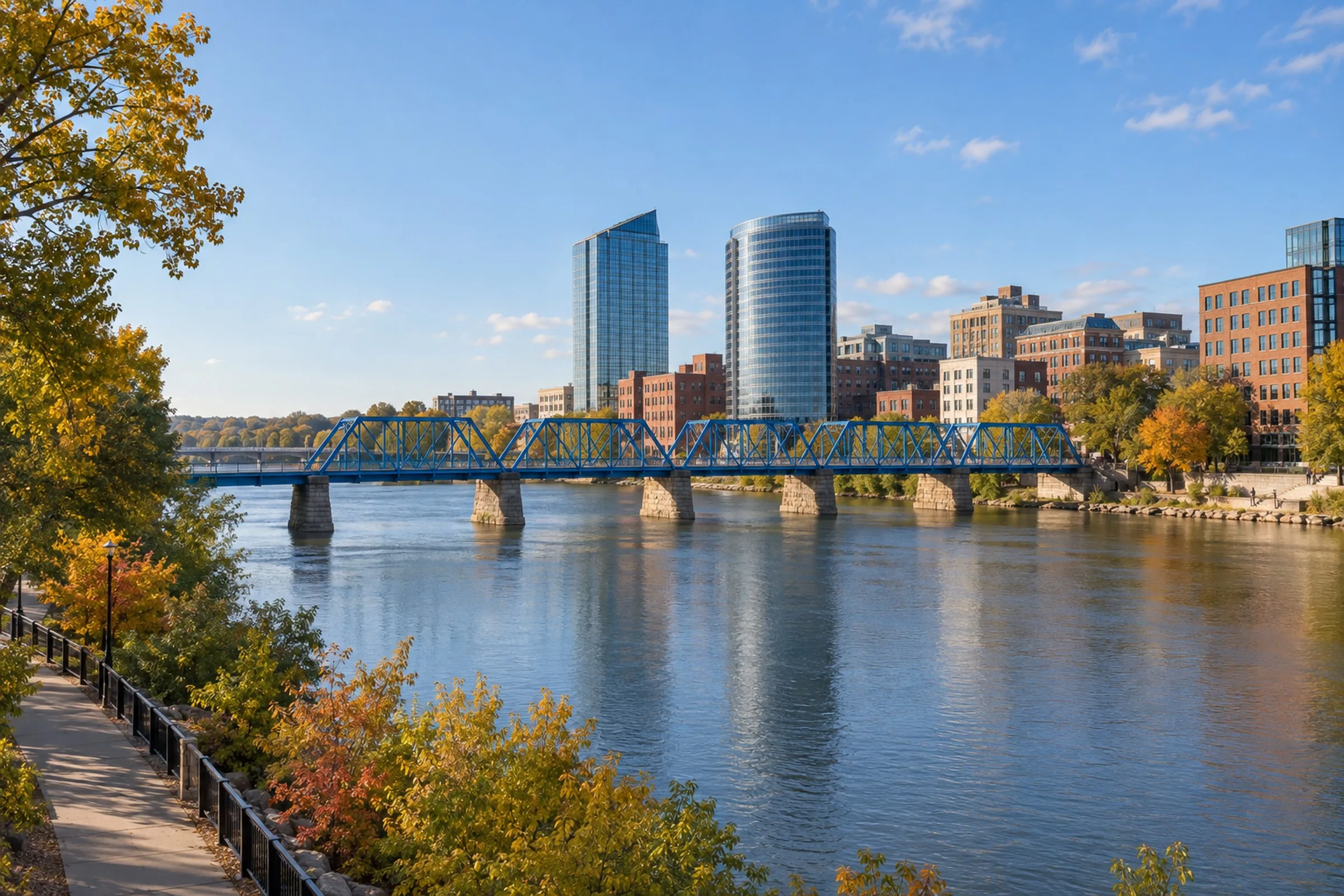
Grand Rapids, MI, is the Kent County seat, in west central Michigan. By the City's own description, it sits about 30 miles east of Lake Michigan. NOAA's climate normals for the city put the average January low at 18.6°F, well under freezing, and the average July high at 83.1°F. Nights that cold can leave ice on walks and curbs. So it's smart to ask any community where residents wait for a winter ride and how paths are kept clear.
Medicare lists two general acute care hospitals with emergency services in Grand Rapids, MI. Corewell Health's Butterworth Hospital is on Michigan Street NE, and Corewell shows its emergency department open 24 hours a day, all week. Trinity Health's hospital on Jefferson Avenue SE has an emergency center that's also open around the clock, with emergency physicians on hand 24/7. For residents, that means care for a sudden injury or illness is there day or night.
Senior living in Grand Rapids, MI, spans several kinds of care. Below, each one gets a short guide and questions you can raise on a visit. Searching is free for families, and you stay in control of the process, from browsing to the first call.
Grand Rapids, MI at a Glance




Home Care in Grand Rapids, Michigan
View All Providers-
 4.8Verified
Visiting Angels - Grand Rapids
1514 Wealthy St SE Grand Rapids, MI 49506
Home Care (Non-Medical) -
 4.8Verified
Careology Home Healthcare
2855 44th St SW Suite 100 Grandville, MI 49418
Home Care (Non-Medical) -

-
 5.0Verified
Right at Home - Grand Rapids
3737 Lake Eastbrook Blvd SE, Ste 208 Grand Rapids, MI 49546
Home Care (Non-Medical)


Independent Living & Active Adult Living in Grand Rapids, Michigan
View All Providers-
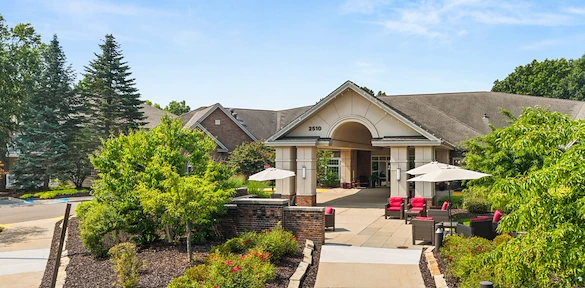 3.2Premium+
Covenant Living of the Great Lakes
2510 Lake Michigan Dr NW Grand Rapids, MI 49504
Independent LivingAssisted LivingMemory CareLife Plan Community/CCRC -
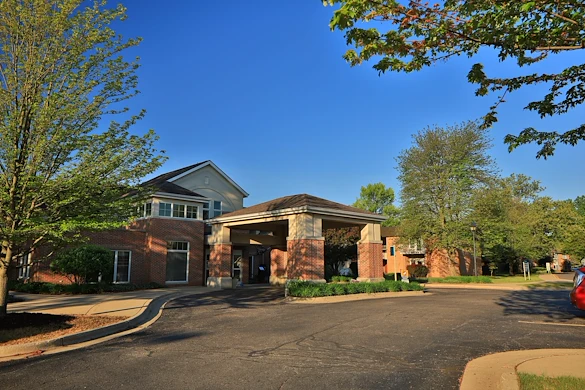 3.8Premium
Porter Hills Village
3600 Fulton St E Grand Rapids, MI 49546
Independent LivingAssisted LivingMemory Care -
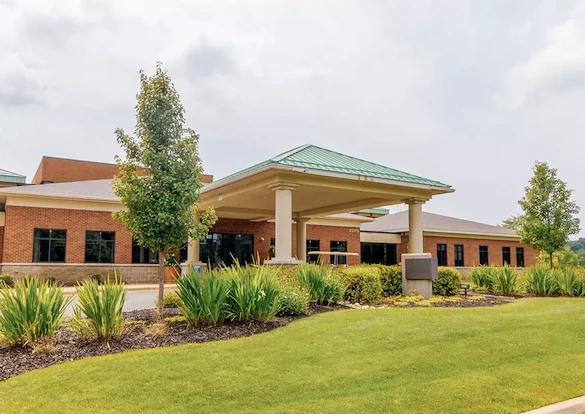 4.6Premium
StoryPoint Grand Rapids East
2000 32nd St SE Grand Rapids, MI 49508
Active Adult LivingIndependent LivingAssisted Living -
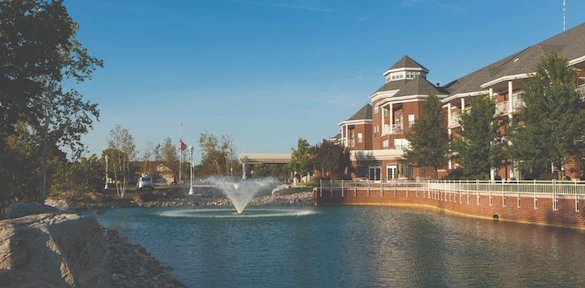 4.6Verified
Holland Home - Breton Woods Senior Living
2500 Breton Woods Dr SE Grand Rapids, MI 49512
Independent LivingAssisted LivingMemory Care -
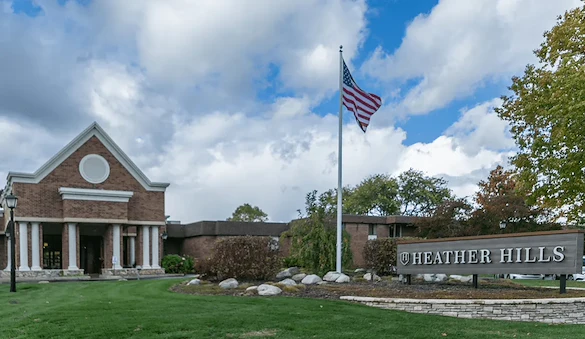 4.5Verified
The Village of Heather Hills
1055 Forest Hill Ave SE Grand Rapids, MI 49546
Independent LivingAssisted Living -
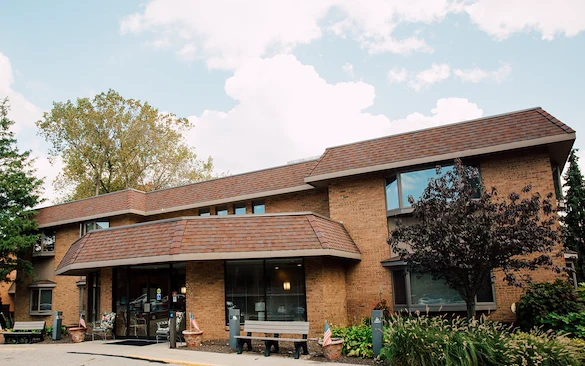 4.5Verified
Edison Christian Independent Living
930 Edison Ave. NW Grand Rapids, MI 49504
Active Adult LivingIndependent Living -
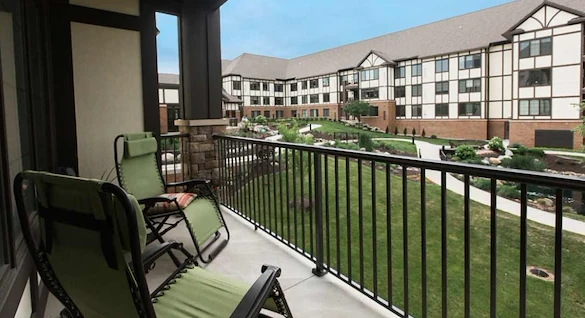 4.3Verified
Beacon Hill at Eastgate Senior Living
1919 Boston Street SE Grand Rapids, MI 49506
Independent LivingAssisted LivingMemory Care


Assisted Living in Grand Rapids, Michigan
View All Providers-
3.2Premium+
Covenant Living of the Great Lakes
2510 Lake Michigan Dr NW Grand Rapids, MI 49504
Independent LivingAssisted LivingMemory CareLife Plan Community/CCRC -
4.6Premium
StoryPoint Grand Rapids East
2000 32nd St SE Grand Rapids, MI 49508
Active Adult LivingIndependent LivingAssisted Living -
3.8Premium
Porter Hills Village
3600 Fulton St E Grand Rapids, MI 49546
Independent LivingAssisted LivingMemory Care -
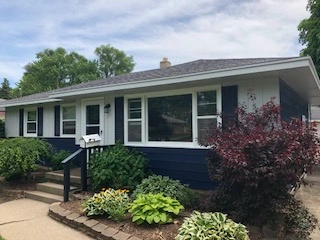 4.9Verified
Oakwood Manor Assisted Living
1716 Den Hertog St SW Grand Rapids, MI 49519
Assisted LivingMemory CareRespite Care -
-
 4.9Verified
Sheldon Meadows Assisted Living Center
4482 Port Sheldon St. Hudsonville, MI 49426
Assisted LivingMemory Care -
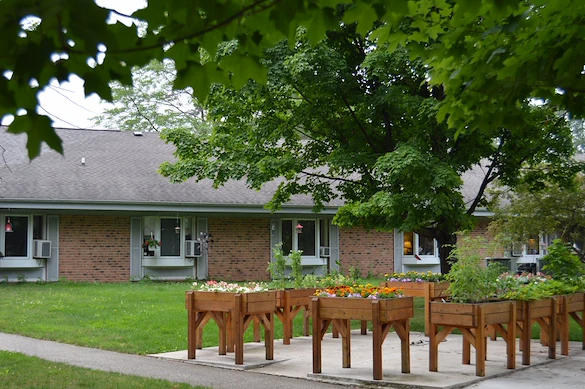 4.8Verified
Georgetown and Cambridge Manors
141-151 Port Sheldon Road Grandville, MI 49418
Assisted LivingMemory CareRespite Care


Memory Care in Grand Rapids, Michigan
View All Providers-
3.2Premium+
Covenant Living of the Great Lakes
2510 Lake Michigan Dr NW Grand Rapids, MI 49504
Independent LivingAssisted LivingMemory CareLife Plan Community/CCRC -
3.8Premium
Porter Hills Village
3600 Fulton St E Grand Rapids, MI 49546
Independent LivingAssisted LivingMemory Care -
4.9Verified
Oakwood Manor Assisted Living
1716 Den Hertog St SW Grand Rapids, MI 49519
Assisted LivingMemory CareRespite Care -
4.9Verified
Sheldon Meadows Assisted Living Center
4482 Port Sheldon St. Hudsonville, MI 49426
Assisted LivingMemory Care -
-
 1.0Verified
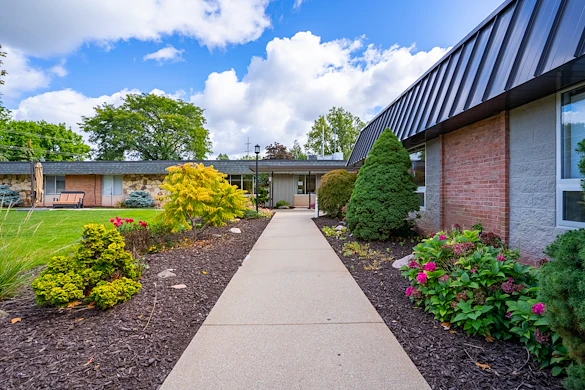
Intersect Healthcare of Grandville
3400 Wilson Ave SW Grandville, MI 49419
Memory CareLong-Term Care / Skilled NursingSkilled RehabilitationRespite Care


Long Term Care & Skilled Nursing in Grand Rapids, Michigan
View All Providers-
 5.0Verified
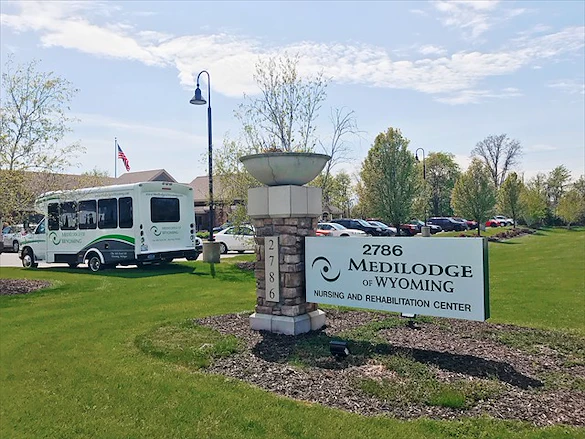
Medilodge of Wyoming
2786 56 Street, Sw Wyoming, MI 49418
Long-Term Care / Skilled NursingSkilled Rehabilitation -
 5.0Verified
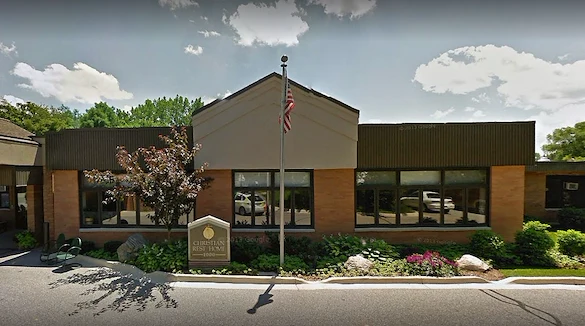
Edison Christian Health Center
1000 Edison Ave Nw Grand Rapids, MI 49504
Memory CareLong-Term Care / Skilled NursingSkilled Rehabilitation -
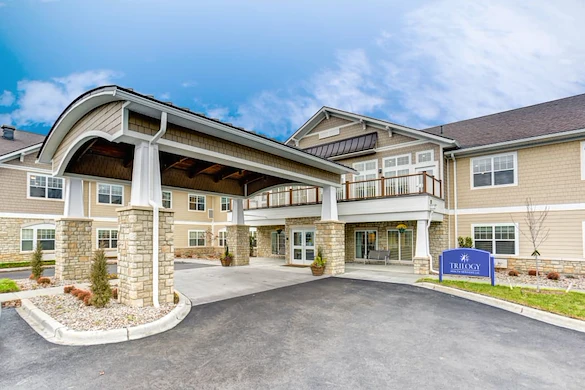 5.0Verified
The Oaks at Belmont Skilled Services
6081 W River Drive Belmont, MI 49306
Long-Term Care / Skilled NursingSkilled RehabilitationLife Plan Community/CCRCRespite Care -
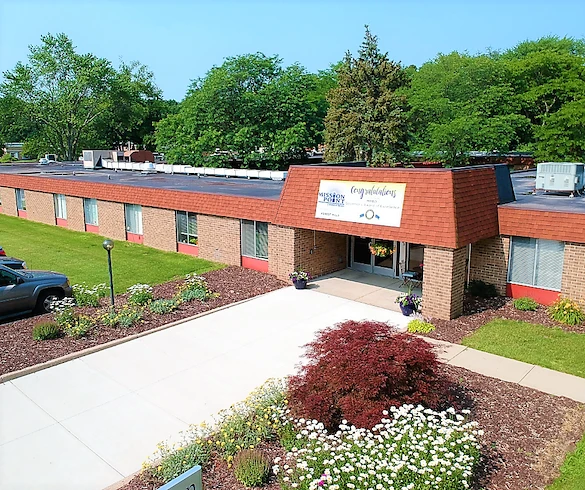 2.0Verified
Intersect Healthcare of Forest Hills
1095 Medical Park Drive SE Grand Rapids, MI 49506
Long-Term Care / Skilled NursingSkilled Rehabilitation


Compare Assisted Living Costs in Michigan
This chart weighs Michigan's assisted living average per month against the national number.
For the costs of independent living, assisted living, home care, and nursing homes across the state, see our Michigan page. It also explains ways families pay.
Memory care costs aren't broken out on that page yet. If you have questions about memory care, the region's Area Agency on Aging, which serves Kent County, is a sensible first call.
Local Resources for Older Adults in Grand Rapids, MI
Here's a short directory of programs for older adults in Grand Rapids, MI, and around Kent County. Each link goes straight to the organization, so details like hours and eligibility are easy to confirm before you call or visit.
- Area Agency on Aging of Western Michigan. The Region 8 agency, with caregiver support and a new service directory organized by county and common need. Area Agency on Aging of Western Michigan
- GO!Bus. The Rapid's shared rides, which riders 65 and older can use once their proof-of-age application is approved. GO!Bus
- RideLink. A regional ride network for people 60 and older, for trips that stay within Kent County. RideLink
- Books by Mail. Free library delivery for City residents who are homebound, with returns that cost nothing. Books by Mail
- MLK Park Community Center. The City center where Fitness Gold and weekday drop-in pickleball meet. MLK Park Community Center
- Michigan Long Term Care Ombudsman Program. A state program that assigns ombudsmen to homes county by county. Ombudsman program
- Medicare Care Compare. Medicare's own tool to look up a nursing home by name. Care Compare
Frequently Asked Questions
The Rapid takes GO!Bus reservations by phone from one to seven days before a trip. Calls are accepted until 4:30 p.m. the day before. Eligible riders can book as many trips as they need, since there's no cap. That makes regular errands and weekly visits easy to plan.
GO!Bus may move the pick-up time up to an hour before or after the requested time. The vehicle arrives within a 25-minute window, so it's best to be ready from 10 minutes before the scheduled time to 15 minutes after. For weekday medical trips only, the return can stay open, and a ride home is expected within an hour of your call. Service follows the regular bus schedule, so weekday trips must wrap up by 11 p.m. and Sundays run shorter.
The Area Agency on Aging of Western Michigan serves Grand Rapids, MI. The State of Michigan names it the Region 8 agency for Kent County and eight other counties. Its mission is to support older adults, adults with disabilities, and their caregivers in living independently and with dignity.
Its team says it listens to your story, answers questions, and connects you with options. That makes it a useful early call, before anyone has settled on a type of care. It works whether the help is for you or for someone you care for. Jotting down what's hard right now, like cooking, bathing, or getting to the store, gives that first conversation a head start.
A good start is the list of assisted living communities on this page. From there, tour the few that fit, with one set of questions in hand. It's also good to know about Michigan's ombudsman program, which assigns its ombudsmen by county. Its lookup includes Kent County, so residents of homes in Grand Rapids, MI, have an assigned ombudsman.
In Region 8, the area's aging agency directs people to its local long term care ombudsman staff. Ombudsmen speak up for residents, guided by what each resident wants, and keep things confidential at no cost to residents or families. In the end, the right fit is the community whose answers line up with the daily needs of the person moving in.
For older adults, the City of Grand Rapids runs Fitness Gold, a free program for City residents, designed for ages 50 and up. It includes low-impact fitness classes and a monthly lunch outing, and it meets at the MLK Park Community Center.
That center opened in early 2026 and is open seven days a week. Fitness Gold runs on weekday mornings. It's part of the center's free drop-in program for City residents, so there's no need to sign up ahead. The gym also holds drop-in pickleball hours Monday through Friday, open to players of all abilities, with a beginner time on Fridays.
The Grand Rapids Public Library offers Books by Mail, a free service for City residents 18 and older. It's for people who are homebound because of illness, disability, or age. Books come to the door or the mailbox, and sending them back costs nothing. That keeps a reading habit going even when a trip to a branch isn't possible.
The library also gives one-on-one technology help at its branches by appointment. Sessions cover basic computer skills, the internet, email, word processing, eBooks, and spreadsheets, and you set one up by calling a branch. The Main Library is at 111 Library St. NE, and the system has seven branches to choose from.
Grand Rapids Community College's Older Learners Center has offered educational programs in West Michigan for more than 25 years. Its classes are open to everyone. Past topics have included nutrition, mindfulness meditation, and physical and mental fitness, so there's a mix of learning for the mind and the body.
The center invites people to drop in to its Friday Fitness Club, which meets Fridays at 9 a.m. in Room 212 of the Gerald R. Ford Fieldhouse. Parking is free in any of the college's ramps. The college also teams up with the area agency on aging on Engaging Wellness, a set of fitness classes for older adults where drop-ins are welcome. Classes work on strength, flexibility, balance, and cardio fitness. They also cover falls prevention and nutrition education.
Senior Living Near Grand Rapids, MI
Checked Oct. 13, 2026. Getting around: The Rapid's GO!Bus service, GO!Bus reservations, GO!Bus service area and hours, and RideLink. City of Grand Rapids pages: history, Riverside Park, kayaking, outdoor fitness, recreation programs, and MLK Park Community Center. Health and climate: NOAA climate normals, CMS hospital data, Corewell Health, and Trinity Health Michigan. Aging services: Area Agency on Aging of Western Michigan, Michigan Department of Health and Human Services, AAAWM caregiver support, AAAWM advocacy, and Michigan Long Term Care Ombudsman Program. Licensing: LARA statewide search and LARA HFA Technical Assistance Handbook. Learning and daily life: Grand Rapids Public Library, library computer help, Grand Rapids Community College, and Fulton Street Market.