

26,358
Population of Austin

4,489
Residents aged 65 and older in Austin

52
Senior Living & Care Options in Austin

$6,272/Month
Average cost of Senior Living & Care in the area.
Austin, with a population of 26,358, is home to 4,489 residents aged 65 and older. The city offers 52 senior living and care options. The average monthly cost of senior living & care in the area is $6,272.
Nine miles of trails loop through the Jay C. Hormel Nature Center in Austin, MN, and most of them are flat, with no stairs anywhere. About a mile and a half of that is paved, and the rest is grass or gravel. The center is tied to the city, whose parks staff includes its naturalist and director.
Water shapes the rest of town. The city says Austin, MN, was first settled along the Cedar River, and it has two man-made lakes, East Side Lake and Mill Pond. The Mill Pond Path, a walking and bike trail on North Main Street, circles the pond in .88 mile. Trails along the Cedar River and East Side Lake both start from it.
Bandshell Community Park, at 4th Street and 9th Place SW, has a bandshell used for concerts and festivals. The park's Veterans Pavilion has restrooms, which is handy for anyone planning a long afternoon outside. For people looking at senior living in Austin, MN, these spots set the tone of an ordinary week.
Austin, MN, is the county seat of Mower County. It sits where Interstate 90 meets U.S. Highway 218, in the southeastern part of the state. For relatives who drive in to visit, that means two major highways cross right at the city.
Mayo Clinic Health System has a hospital and clinic at 1000 First Drive NW in Austin, MN. The health system lists the Emergency Department there as open 24 hours. In plain terms, emergency care is available day or night without leaving town.
Winters here are serious. At NOAA's weather station in Austin, MN, the 1991 to 2020 normals show January nights averaging a low of 5.4°F, roughly 27 degrees below freezing. July afternoons reach an average high of 80.8°F.
That kind of cold shapes daily routines. So while touring senior living communities in Austin, MN, it helps to learn who clears the walkways and how residents get out during the coldest months.
The sections below cover care at home, independent living, assisted living, memory care, and nursing homes in turn, each with questions for phone calls and visits. Browsing the listings costs nothing and needs no login, and any call you make stays between you and that provider.
Austin, MN at a Glance




Independent Living & Active Adult Living in Austin, Minnesota
View All Providers-
 4.3Premium
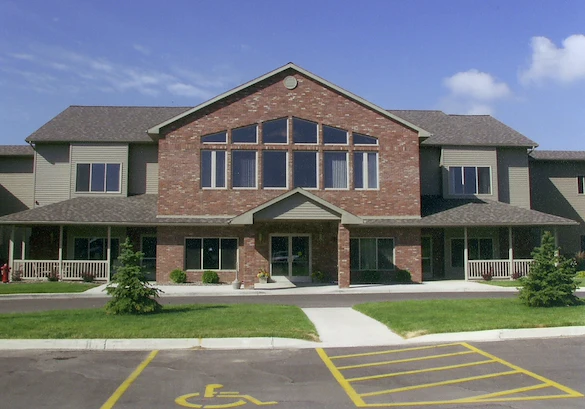
South Grove Lodge
1701 22nd Ave SW Austin, MN 55912
Independent LivingAssisted LivingRespite Care -
 4.9Verified
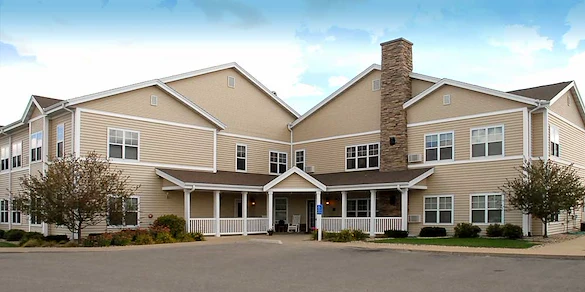
Our House - Austin Senior Apartments
1313 15th Ave NW Austin, MN 55912
Independent Living -
 4.5
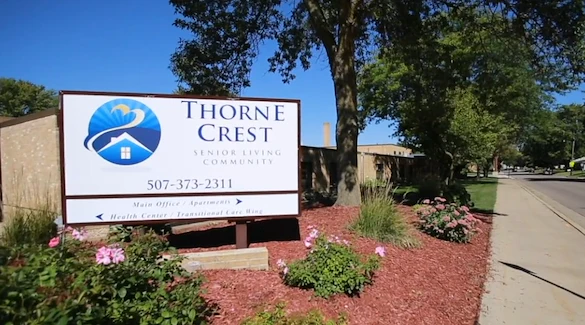
4.5Thorne Crest Senior Living Community
1201 Garfield Avenue Albert Lea, MN 56007
Independent LivingAssisted LivingMemory Care -
 4.8Verified
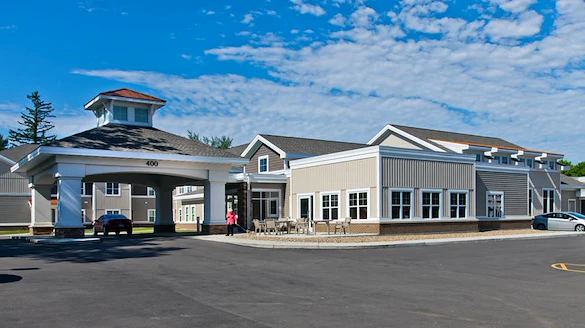
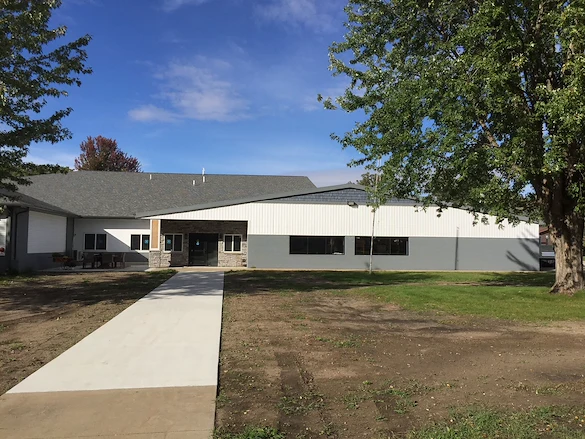
St. Mark’s Living & Apartments
1401 4th Street SW Austin, MN 55912
Independent LivingAssisted LivingMemory CareLife Plan Community/CCRC -
 4.7Verified
Legacy of Brownsdale
105 Latham St Brownsdale, MN 55918
Independent LivingAssisted Living


Assisted Living in Austin, Minnesota
View All Providers-
4.3Premium
South Grove Lodge
1701 22nd Ave SW Austin, MN 55912
Independent LivingAssisted LivingRespite Care -
 4.9Verified
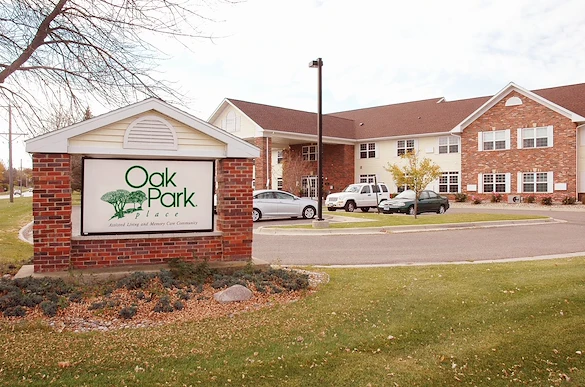
Oak Park Place Albert Lea
1615 Bridge Ave Albert Lea, MN 56007
Assisted LivingMemory Care -
4.5
Thorne Crest Senior Living Community
1201 Garfield Avenue Albert Lea, MN 56007
Independent LivingAssisted LivingMemory Care -
 4.3Verified
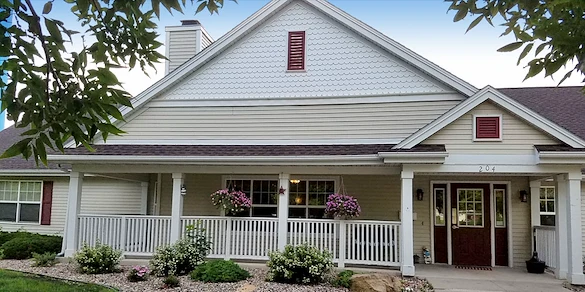
Our House - Austin Memory Care 14th Street NW
204 14th St NW Austin, MN 55912
Assisted LivingMemory Care -
4.8Verified
St. Mark’s Living & Apartments
1401 4th Street SW Austin, MN 55912
Independent LivingAssisted LivingMemory CareLife Plan Community/CCRC


Memory Care in Austin, Minnesota
View All Providers-
4.9Verified
Oak Park Place Albert Lea
1615 Bridge Ave Albert Lea, MN 56007
Assisted LivingMemory Care -
4.5
Thorne Crest Senior Living Community
1201 Garfield Avenue Albert Lea, MN 56007
Independent LivingAssisted LivingMemory Care -
4.3Verified
Our House - Austin Memory Care 14th Street NW
204 14th St NW Austin, MN 55912
Assisted LivingMemory Care -
4.8Verified
St. Mark’s Living & Apartments
1401 4th Street SW Austin, MN 55912
Independent LivingAssisted LivingMemory CareLife Plan Community/CCRC
Long Term Care & Skilled Nursing in Austin, Minnesota
View All Providers-
 1.0
1.0Thorne Crest Retirement Center
1201 Garfield Avenue Albert Lea, MN 56007
Long-Term Care / Skilled NursingSkilled Rehabilitation -
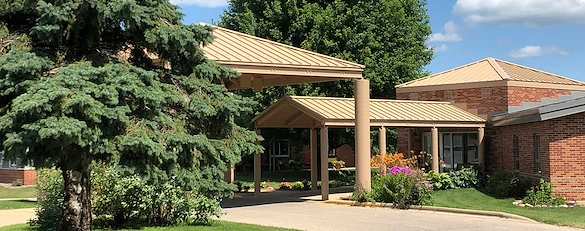 5.0Verified
Field Crest Care Center
318 Second Street Northeast Hayfield, MN 55940
Long-Term Care / Skilled NursingSkilled Rehabilitation -
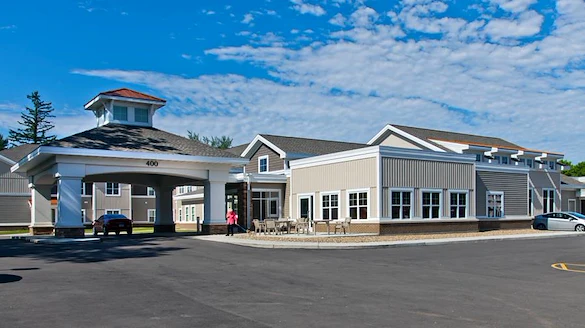 1.0Verified
St Marks Living
400 15th Avenue Southwest Austin, MN 55912
Long-Term Care / Skilled NursingSkilled RehabilitationLife Plan Community/CCRC -
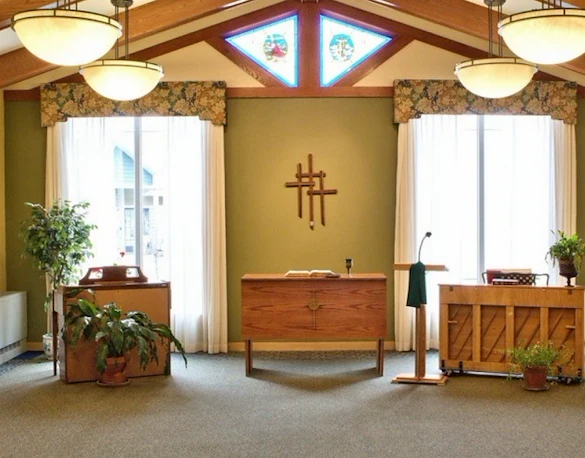 5.0Verified
Good Samaritan - Comforcare
1201 17th Street Ne Austin, MN 55912
Long-Term Care / Skilled NursingSkilled Rehabilitation


Compare Assisted Living Costs in Minnesota
Minnesota's average monthly assisted living cost appears in this chart, next to the figure for the country as a whole.
Our Minnesota page covers prices across the state and ways to pay. Go straight to assisted living, nursing homes, home care, or independent living there.
It doesn't cover memory care yet. To plan for it, families can turn to Minnesota Aging Pathways. It helps people find resources for many issues older adults face. The Minnesota Board on Aging offers it free, and the regional Area Agency on Aging provides it here.
Local Resources for Older Adults in Austin, MN
These organizations serve older adults in Austin, MN, and across Mower County. Each link opens that organization's own page, with current hours, services, and eligibility details.
- Mower County Senior Center. Classes, a weekday lunch, rides by volunteer drivers, and help at home, at 400 3rd Avenue NE. Mower County Senior Center
- SMART Transit senior and disabled service. Door-to-door rides around Mower County for people 60 and older or with a qualifying disability. Senior and disabled transportation
- Southeastern Minnesota Area Agency on Aging. Serves an 11-county region of southeastern Minnesota, Mower County included, from its office in Rochester, MN. About the agency
- Mower County Aging Services. Case management and care coordination for people 65 and older. Aging Services
- Austin Public Library. Hours, curbside pickup, and the state parks pass to check out. Library hours
- Office of Ombudsman for Long-Term Care. Minnesota's state office that speaks up for residents of long-term care. A phone call is the way to reach a local ombudsman. Contact the ombudsman
- Medicare Care Compare. Search Medicare's data on any nursing home before a visit. Care Compare
Frequently Asked Questions
Yes. The Mower County Senior Center, at 400 3rd Avenue NE in Austin, MN, has served older adults since 1975. It's open Monday through Friday, from 8 in the morning to 4 in the afternoon. The Southeastern Minnesota Area Agency on Aging lists it as the staffed senior center for Mower County.
The schedule leans active, with Chair Yoga, Tai Chi, SilverSneakers, Line Dancing, and a Walking Club. Card games, crafts, and Mahjong fill quieter hours, and a low-cost lunch is served on weekdays. Trying one class is a low-key way to start meeting people, whether someone still lives at home or has moved.
SMART Transit runs a door-to-door service in Austin, MN, for people 60 and older and for riders of any age with a qualifying physical or cognitive disability. Trips have to stay inside the service area of Austin, MN, and Mower County. The driver comes to the rider's own entrance and helps them to the vehicle.
Rides are booked by phone at least 24 hours ahead. A personal care attendant or caregiver rides along at no added fare, and the vehicles meet ADA standards, with lifts or ramps. For medical visits and errands, the Mower County Senior Center also has volunteer drivers who take people over 60 door to door in their own cars.
The Mower County Senior Center hosts a free Caregivers Support Group every first and third Thursday at 10:30 in the morning. It's open to anyone caring for a family member or friend who's aging or has a disability. A state directory lists it as a group for caregivers and memory loss.
The Southeastern Minnesota Area Agency on Aging adds more help. It offers caregiver consultations, support groups, and respite care in the home. Respite gives the caregiver a rest while another person steps in for a time. Its classes include a workshop called Powerful Tools for Caregivers. Getting in touch while things still feel manageable leaves a caregiver more options.
Mower County does, through a free MnCHOICES assessment. The assessment helps decide what services a person may be eligible for, and a social worker or nurse does it at the person's home, with family there. Mower County Health & Human Services is at 201 1st Street NE, 2nd Floor, Suite 18, in Austin, MN.
Office hours are weekdays, 8 a.m. until 4:30 p.m., at that address. For people 65 and older, Mower County Aging Services also offers case management and care coordination. That means a staff member helps arrange services and keeps track of how they're going. When you call, it helps to ask what the visit will cover.
Yes. Riverland Community College has a campus at 1900 8th Avenue NW in Austin, MN. Minnesota residents 62 or older can enroll in credit courses when space allows. They aren't charged tuition to audit a credit course or take a noncredit course, though an administrative fee and course fees can apply to credit courses.
Auditing a course means joining in without getting a grade or credit. That makes it a relaxed way to pick up a new subject, keep the mind busy, and meet people of all ages. Before signing up, it's good to check when and where a course meets and whether seats are still open.
Yes. The Jay C. Hormel Nature Center lends free tracked power chairs so people with mobility challenges can reach its whole trail system. A chair can be reserved for two hours at a time. Walk-ins are welcome, though the center prefers that visitors reserve ahead.
For anyone who'd rather ride along with others, the center also offers free golf cart tours of the trails for people who need help getting around. Carts seat up to 12, and tours run from spring through fall, depending on trail conditions and volunteer drivers. Tours need to be booked at least two weeks ahead, so a group outing takes a little planning.
Senior Living Near Austin, MN
Every source below was checked Oct. 8, 2026: Mayo Clinic Health System, City of Austin, Austin Park Information, Jay C. Hormel Nature Center, Austin Public Library, NOAA climate normals, Southeastern Minnesota Area Agency on Aging, Mower County Aging Services, Mower County Health & Human Services, Mower County Senior Center, Minnesota Aging and Disability Resources, SMART Transit, Riverland Community College, Minnesota ombudsman office, and Minnesota's rules for assisted living and dementia care units.