

21,382
Population of West St. Paul

4,393
Residents aged 65 and older in West St. Paul

811
Senior Living & Care Options in West St. Paul

$6,272/Month
Average cost of Senior Living & Care in the area.
West St. Paul, with a population of 21,382, is home to 4,393 residents aged 65 and older. The city offers 811 senior living and care options. The average monthly cost of senior living & care in the area is $6,272.
How you get to the grocery store, the library, or a friend's kitchen table without driving shapes a lot of daily life in West St. Paul, MN. The City describes itself as a first ring suburb right next to St. Paul, MN, with fields, lakes, and wildlife sitting near shops and restaurants. That mix is why rides deserve a close look when you weigh senior living in West St. Paul, MN.
Robert Street is where the regular bus stops are. Dakota County notes that several of them are the closest stops to Thompson County Park, at least three-quarters of a mile away. Where regular routes don't reach, Metro Transit's Transit Link steps in. It's a shared minibus or van, open to anyone, that goes curb to curb. The booking window opens five days before a ride, and a same-day trip needs a call at least two hours out.
Some county business stays in town, too. Dakota County runs its Northern Service Center on Mendota Road in West St. Paul, MN, which lies entirely inside the county. The City shares fire service with South St. Paul, MN, and keeps a police department of its own.
Winter is the season to plan rides around. Weather numbers come from NOAA's Twin Cities airport station, using its 1991 to 2020 normals, so they aren't readings taken in West St. Paul, MN. January's average low there is 8.8°F, far below freezing, so a long wait at a bus stop can be rough. The July average high is 83.4°F, warm enough that shade and water matter on a summer errand.
In Medicare's hospital data, West St. Paul, MN, has no hospital of its own. Two acute care hospitals with emergency departments appear in that data for St. Paul, MN: Allina United Hospital and Regions Hospital. Regions Hospital says it has a Level I Trauma Center for adults and children, so it's set up to treat serious injuries. United Hospital lists inpatient, outpatient, and emergency care. On tours, you might ask what rides a community arranges for doctor visits in St. Paul, MN.
Further down, each type of care has its own short guide, starting with home care and ending with nursing homes. The providers under each one can be contacted directly, which lets you weigh senior living communities in West St. Paul, MN, on your own terms.
West St. Paul, MN at a Glance




Independent Living & Active Adult Living in West St. Paul, Minnesota
View All Providers-
 4.0Premium+
Covenant Living of Golden Valley
5800 St. Croix Avenue North Golden Valley, MN 55422
Independent LivingAssisted LivingMemory CareLife Plan Community/CCRC -
 4.4Premium
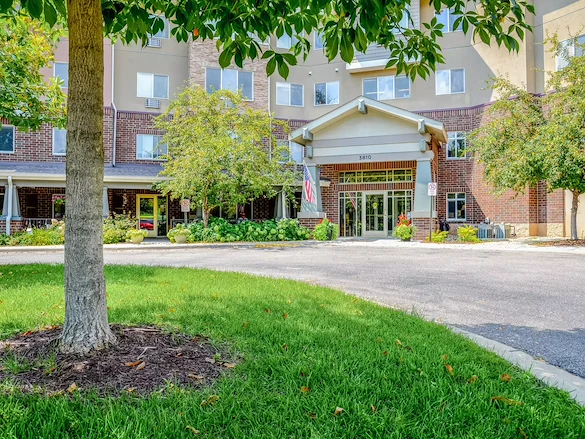
StoryPoint Eagan
3810 Alder Lane Eagan, MN 55122
Independent LivingAssisted LivingMemory Care -
 4.5Premium
Good Samaritan - Heritage Place of Roseville
563 County Road B W Roseville, MN 55113
Active Adult LivingIndependent Living -
 4.3Premium
The Legends of Woodbury
570 Settlers Ridge Parkway Woodbury, MN 55129
Active Adult LivingIndependent LivingLow Income / Affordable -
 4.7
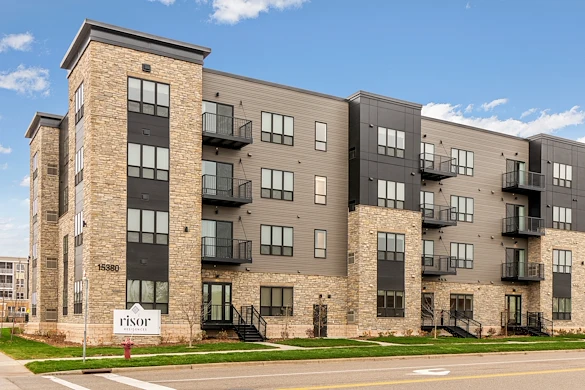
Risor Apple Valley
15380 Garrett Avenue Apple Valley, MN 55124
Active Adult LivingIndependent Living -
 4.9Verified
The Timbers
14018 Pennock Ave Apple Valley, MN 55124
Active Adult LivingIndependent Living -
 5.0Verified
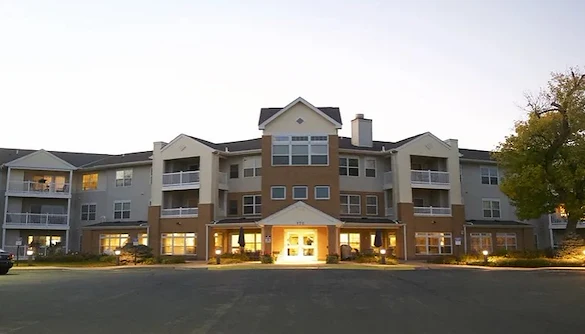
Realife Cooperative of West St. Paul
170 Emerson Ave. E West St. Paul, MN 55118
Active Adult LivingIndependent Living -
 4.3Verified
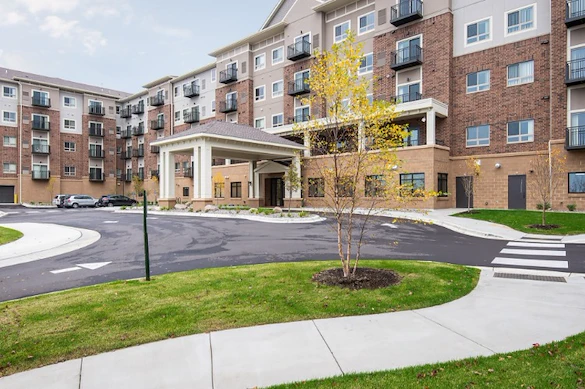
Affinity at Eagan
4000 Eagan Outlets Pkwy Eagan, MN 55122
Active Adult LivingIndependent Living


Assisted Living in West St. Paul, Minnesota
View All Providers-
4.0Premium+
Covenant Living of Golden Valley
5800 St. Croix Avenue North Golden Valley, MN 55422
Independent LivingAssisted LivingMemory CareLife Plan Community/CCRC -
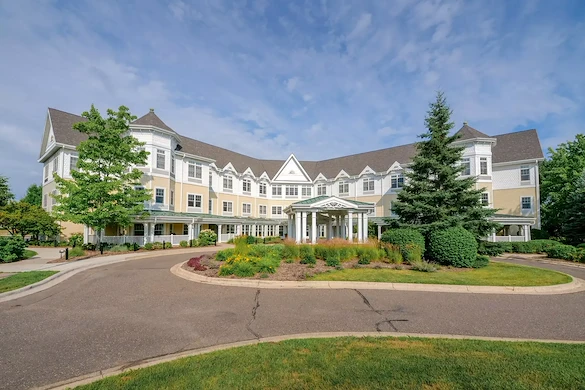 4.5Premium
StoryPoint Roseville
2555 Snelling Ave N Roseville, MN 55113
Assisted LivingMemory Care -
 4.7Verified
The Fountains at Hosanna
9850 163rd St W Lakeville, MN 55044
Independent LivingAssisted Living -
 4.7Verified
Boutwells Landing
5600 Norwich Pkwy Oak Park Hts, MN 55082
Independent LivingAssisted Living -
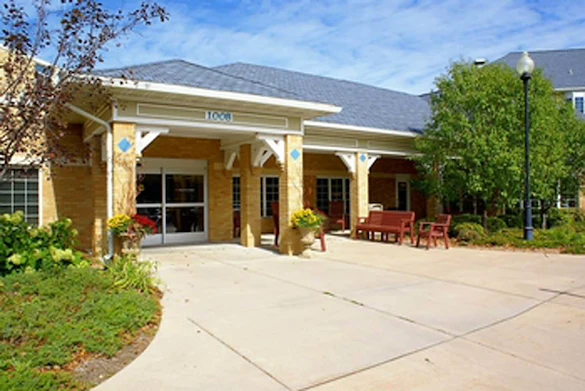 4.3Verified
Benedictine Living Community-Regina
1008 1st St, West Hastings, MN 55033
Assisted LivingMemory Care -
 4.3Verified
Boden Apple Valley
5399 155th St. West Apple Valley, MN 55124
Assisted LivingMemory Care


Memory Care in West St. Paul, Minnesota
View All Providers-
4.0Premium+
Covenant Living of Golden Valley
5800 St. Croix Avenue North Golden Valley, MN 55422
Independent LivingAssisted LivingMemory CareLife Plan Community/CCRC -
4.5Premium
StoryPoint Roseville
2555 Snelling Ave N Roseville, MN 55113
Assisted LivingMemory Care -
4.3Verified
Benedictine Living Community-Regina
1008 1st St, West Hastings, MN 55033
Assisted LivingMemory Care -
 4.9
The Pillars of Lakeville
17701 Glacier Way Lakeville, MN 55044
Independent LivingAssisted LivingMemory CareRespite Care -
4.3Verified
Boden Apple Valley
5399 155th St. West Apple Valley, MN 55124
Assisted LivingMemory Care -
 5.0Verified
Minnesota Masonic Home Care Center
11501 Masonic Home Drive Bloomington, MN 55437
Memory CareLong-Term Care / Skilled NursingSkilled Rehabilitation


Long Term Care & Skilled Nursing in West St. Paul, Minnesota
View All Providers-
 3.0Verified
Lyngblomsten Care Center
1415 Almond Avenue Saint Paul, MN 55108
Long-Term Care / Skilled NursingSkilled Rehabilitation -
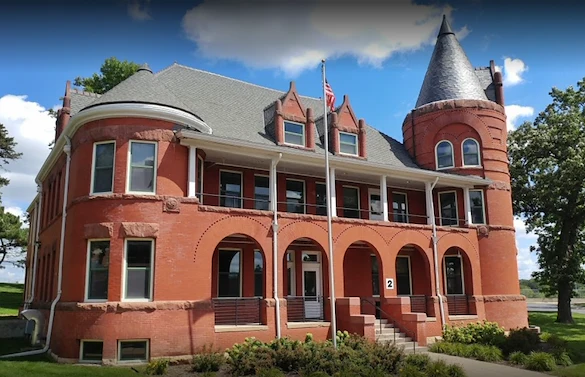 3.0Verified
MN Veterans Home Minneapolis
5101 Minnehaha Avenue South Minneapolis, MN 55417
Long-Term Care / Skilled NursingSkilled Rehabilitation -
 4.0Verified
Harmony Gardens Nursing
1438 County Road C East Maplewood, MN 55109
Long-Term Care / Skilled NursingSkilled Rehabilitation -
 4.0Verified
Ebenezer Ridges Geriatric Care Center
13820 Community Drive Burnsville, MN 55337
Long-Term Care / Skilled NursingSkilled Rehabilitation


Home Care in West St. Paul, Minnesota
View All Providers-
 4.6Premium
Right at Home - Twin Cities
2626 E 82nd St, Ste 150 Bloomington, MN 55425
Home Care (Non-Medical) -
 4.9Verified
SYNERGY HomeCare of Eagan
3348 Sherman Court, Ste. 1 Eagan, MN 55121
Home Care (Non-Medical) -
 4.8Verified
Visiting Angels - Maplewood
2721 Upper Afton Rd E Maplewood, MN 55119
Home Care (Non-Medical) -
 4.8Verified
Home Instead - Mendota Heights
750 S Plaza Dr, Suite 209 Mendota Heights, MN 55120
Home Care (Non-Medical) -
 4.7Verified
Senior Helpers - Roseville
2345 Rice Street Roseville, MN 55113
Home Care (Non-Medical)


Compare Assisted Living Costs in Minnesota
The bars show two monthly assisted living averages, one for Minnesota and one nationwide.
For prices across the state, and for how people cover them, open our Minnesota page. It walks through home care, then assisted living, nursing homes, and independent living in turn.
No memory care figure is posted there so far. People in West St. Paul, MN, with memory care questions can contact the Metropolitan Area Agency on Aging. Its Minnesota Aging Pathways service shares information on housing, transportation, and community supports.
Local Resources for Older Adults in West St. Paul, MN
These public agencies and programs serve older adults in West St. Paul, MN. Follow a link to check current hours, details, and who qualifies.
- Metropolitan Area Agency on Aging. Dakota County's Area Agency on Aging, with Minnesota Aging Pathways and help for family caregivers. Area Agency on Aging
- Dakota County Senior Services. County programs for older adults living at home, starting with a MnCHOICES Assessment. Senior Services
- City of West St. Paul Senior Resources. The City's own list of local help for older residents. Senior Resources
- Thompson Park Activity Center. Classes and groups for adults 55 and older, sponsored by School District 197 Community Education. Adults 55+
- Transit Link. Metro Transit's curb-to-curb shared rides for places regular routes don't serve. Transit Link
- Metro Mobility. Shared van trips run by the Metropolitan Council, for riders certified as unable to use regular buses. Metro Mobility
- Wentworth Library. The Dakota County Library branch on Wentworth Avenue, plus the county library's At Home Library Service for readers who can't get out. Wentworth Library
Frequently Asked Questions
Thompson Park Activity Center, on Stassen Lane, fills that role for adults 55 and older. It isn't a City program. School District 197 Community Education sponsors it, and it offers educational, social, and recreational classes. People pre-register for the activities they want, so it helps to sign up before showing up.
Its groups include Tai Chi, Line Dancing, and Fitness & Balance for Life, along with bridge, cribbage, and bocce ball. The center also lists caregiver support, help with computers and phones, and memory screening. Scam prevention is among its learning topics, which is useful for anyone who handles bills and calls alone.
Yes. The City lists Metro Mobility, a Metropolitan Council program, for residents of West St. Paul, MN. Riders share the van, and each must be certified because a disability or health condition rules out the regular bus. Once certified, a rider can book trips for any purpose.
To qualify, a rider has to be unable to take a regular bus at least part of the time. A bus ride that's simply hard, or harder than before, doesn't count on its own. For other trips, the Dakota County nonprofit the City lists among its senior resources drives vehicles that are all wheelchair accessible, and it welcomes aides and service animals.
The Metropolitan Area Agency on Aging has help made for family caregivers. Its reach takes in Dakota County. A caregiver can ask for a coach, a family meeting, a support group, or classes on caregiving. The agency also lists adult respite care, so the caregiver can step away for a while.
Dakota County Senior Services lists a respite service of its own, aimed at giving caregivers a break. Before calling either one, it can help to jot down what a normal week of caregiving involves, such as rides, meals, and nights. That way the conversation starts from what's really needed.
It helps to begin with what the person needs each day and where family wants to be. Minnesota Aging Pathways, offered here by the Metropolitan Area Agency on Aging together with the state's Board on Aging, shares information on housing, transportation, and other supports. That can help you sort options before any tours.
After that, circle a few assisted living communities shown here, and take one written set of questions to all of them. A visit at mealtime shows how the day really runs. It's also fair to ask about a community's closure plan, which the assisted living section above explains. Notes from each stop keep the visits from blurring.
Dakota County Parks runs this 57-acre park in the middle of West St. Paul, MN. It has a large picnic area that looks out over Thompson Lake, plus wooded trails that connect to the River to River Greenway. It's a quiet place for a picnic or an afternoon outdoors with family.
The county's Dakota Lodge sits inside the park and hosts meetings, banquets, retreats, and other gatherings. Its terrace looks out on the lake, which makes it one option for a family celebration. Anyone coming by bus should plan for the walk in from Robert Street, noted earlier on this page.
Yes. Dakota County lists a nonprofit coalition for West St. Paul, MN, run by volunteers who live and work in the city. It connects residents with resources that help them stay active and engaged in the community. Anyone who lives or works in West St. Paul, MN, can take part.
A newcomer could find this kind of group a quick way to meet neighbors and hear what's going on nearby. Dakota County's page about the coalition is the place to check how it meets now. Dropping in once as a guest shows whether it feels like a fit.
Senior Living Near West St. Paul, MN
Each source below was opened Oct. 19, 2026: the Census Bureau's place-by-county list; the City of West St. Paul About page, history, Dakota County services, parks, and Senior Resources; CMS hospital data; Regions Hospital; United Hospital; Metropolitan Area Agency on Aging pages on its role, aging services, caregivers, dementia, and adults at risk; Dakota County Senior Services; Dakota County coalition page; School District 197; the Metropolitan Council's Metro Mobility and eligibility pages; Transit Link; Thompson County Park; Dakota Lodge; Wentworth Library; At Home Library Service; NOAA climate normals; Minn. Stat. 144G.57; and the state long-term care ombudsman office's annual report.