

1,404,779
Population of Bronx

203,214
Residents aged 65 and older in Bronx
867
Senior Living & Care Options in Bronx

$7,116/Month
Average cost of Senior Living & Care in the area.
Bronx, with a population of 1,404,779, is home to 203,214 residents aged 65 and older. The city offers 867 senior living and care options. The average monthly cost of senior living & care in the area is $7,116.
A good week of senior living in the Bronx, NY, might start with a stroll at Wave Hill. The New York Botanical Garden and Orchard Beach can fill other days. The Bronx, NY, is one of the five boroughs of New York, NY, so many services here come from City agencies that serve all five.
Wave Hill is a public garden and cultural center on Independence Avenue. NYC Parks lists the estate among its parks. Visitors can borrow a manual wheelchair free of charge, first come, first served. Staffed Mobility Assistance Vehicles also help people get around the grounds. Wave Hill notes that its paths are part paved and part unpaved, and the slopes may be hard for some.
The New York Botanical Garden lends manual wheelchairs at no charge during regular daytime hours. You can pick one up at the Leon Levy Visitor Center or the Mosholu Entrance. The Haupt Conservatory and the Mertz Library are both fully accessible. So a walker or wheelchair doesn't have to rule out a day among the plants.
Orchard Beach stretches 1.1 miles and is the only public beach in the borough. It has a promenade, snack bars, and picnic areas. There are beach mats for wheelchair access, and NYC Parks provides beach wheelchairs by reservation only.
For medical care, Montefiore Medical Center sits at 111 East 210th Street. Medicare lists it as an acute care hospital, so it handles short stays for a sudden illness or injury. Montefiore says its Emergency Department is open 24 hours and family members are welcome there at all times. Medicare's hospital data also lists Jacobi Medical Center and Lincoln Medical & Mental Health Center in the borough with emergency services.
Each season brings its own routine. For temperatures, this page uses NOAA's station at LaGuardia Airport in Queens, NY, and its normals for 1991 to 2020. January's average low is 28.6°F, below freezing. July's average high reaches 86.4°F. So it's fair to ask how a community clears its walkways in winter and keeps residents cool in summer.
The care types below each come with plain questions for phone calls and visits. No login is required. When you reach out to a provider, the conversation stays between the two of you.
Bronx, NY at a Glance




Home Care in Bronx, New York
View All Providers-

-
 4.8Verified
SYNERGY HomeCare of Bergen County
1029 Teaneck Road, Suite 3D Teaneck, NJ 07666
Home Care (Non-Medical) -
 5.0Verified
Right at Home - Upper New York City
180 W 80th St, Chesterfield Suites #203 New York, NY 10024
Home Care (Non-Medical) -
 5.0Verified
Griswold Care Pairing for Manhattan
146 West 95th Street New York, NY 10025
Home Care (Non-Medical)


Independent Living & Active Adult Living in Bronx, New York
View All Providers-
 4.6Premium
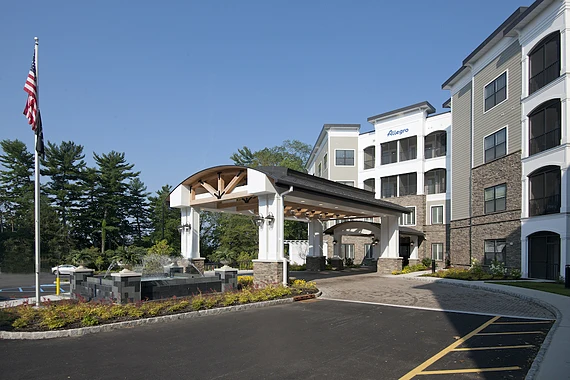
Allegro Harrington Park
200 Old Hook Road Harrington Park, NJ 07640
Independent LivingAssisted LivingMemory CareRespite Care -
 4.5Premium
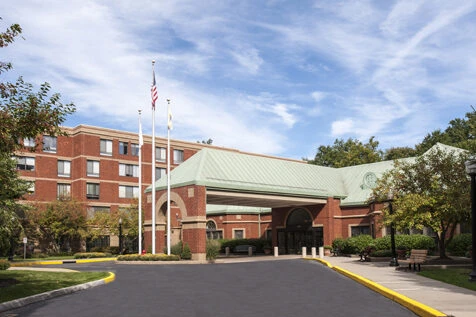
The Pointe at Teaneck Senior Living
655 Pomander Walk Teaneck, NJ 07666
Independent LivingAssisted Living -
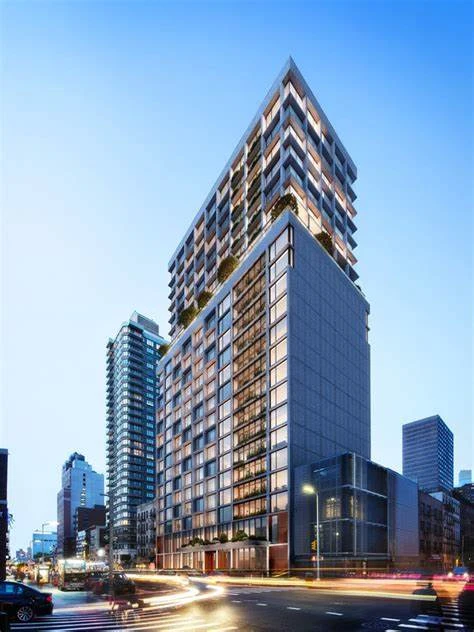 4.8Verified
Inspir Carnegie Hill
1802 2nd Avenue New York, NY 10128
Active Adult LivingIndependent LivingAssisted LivingMemory Care -
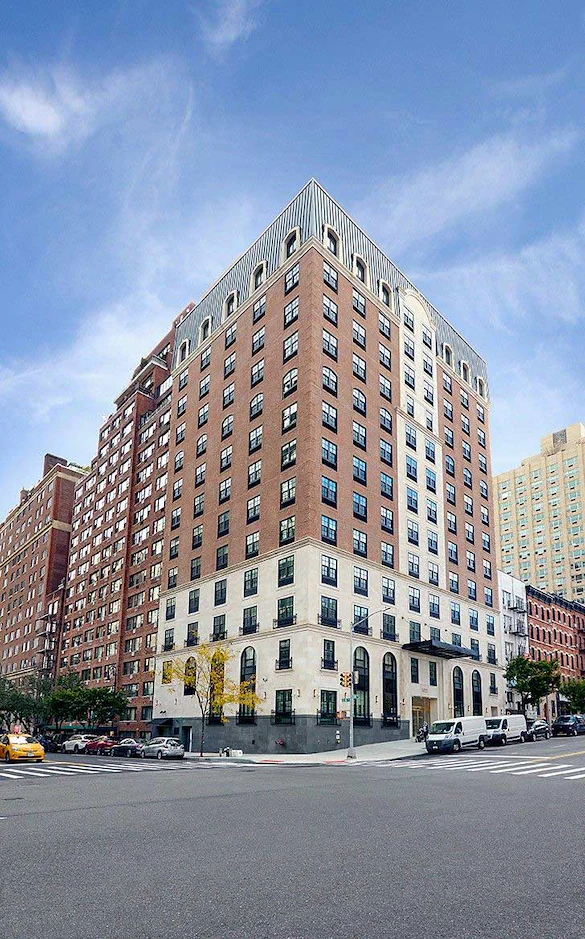 4.8Verified
The Bristal at York Avenue
1622 York Avenue New York, NY 10028
Independent LivingAssisted LivingMemory Care -
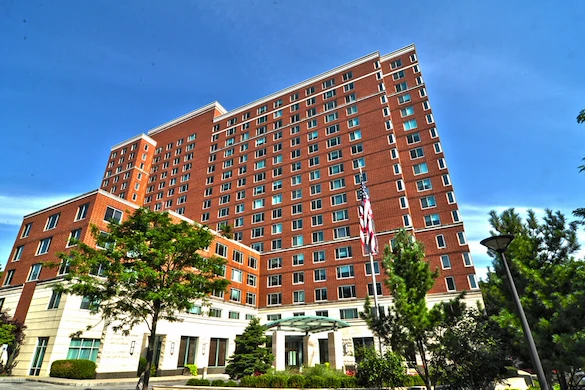 4.6Verified
Ciel on the Hudson
537 Riverdale Ave Yonkers, NY 10705
Independent LivingAssisted LivingMemory Care -
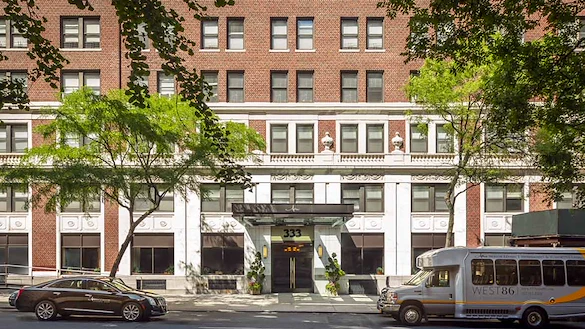 4.3Verified
Atria West 86
333 West 86th Street New York, NY 10024
Independent LivingAssisted Living


Assisted Living in Bronx, New York
View All Providers-
4.5Premium
The Pointe at Teaneck Senior Living
655 Pomander Walk Teaneck, NJ 07666
Independent LivingAssisted Living -
 4.6Premium
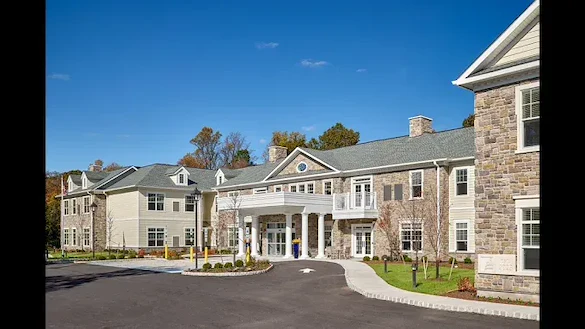
The Chelsea at Washington Township
620 Pascack Road Washington Township, NJ 07676
Assisted LivingMemory CareRespite Care -
-
 4.8Premium
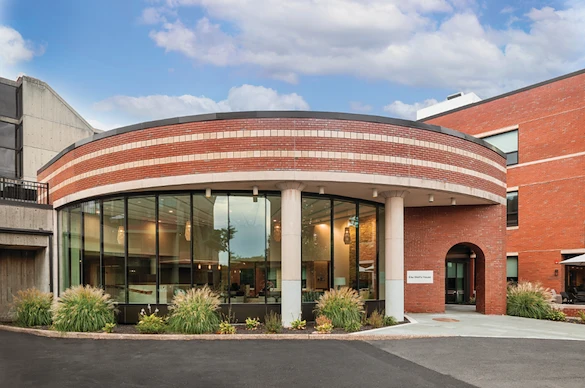
RiverSpring Residences Assisted Living
5901 Palisades Avenue Bronx, NY 10471
Assisted LivingMemory Care -
4.6Premium
Allegro Harrington Park
200 Old Hook Road Harrington Park, NJ 07640
Independent LivingAssisted LivingMemory CareRespite Care -
 4.8Verified
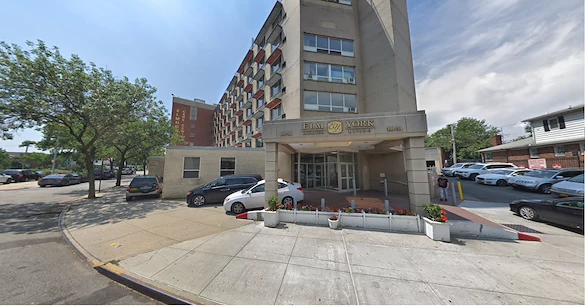
Elm York Assisted Living
100-30 Ditmars Boulevard East Elmhurst, NY 11369
Assisted Living -
4.6Verified
Ciel on the Hudson
537 Riverdale Ave Yonkers, NY 10705
Independent LivingAssisted LivingMemory Care -
-


Memory Care in Bronx, New York
View All Providers-
4.6Premium
Allegro Harrington Park
200 Old Hook Road Harrington Park, NJ 07640
Independent LivingAssisted LivingMemory CareRespite Care -
4.6Premium
The Chelsea at Washington Township
620 Pascack Road Washington Township, NJ 07676
Assisted LivingMemory CareRespite Care -
4.8Premium
RiverSpring Residences Assisted Living
5901 Palisades Avenue Bronx, NY 10471
Assisted LivingMemory Care -
-
4.8Verified
Inspir Carnegie Hill
1802 2nd Avenue New York, NY 10128
Active Adult LivingIndependent LivingAssisted LivingMemory Care -
4.8Verified
The Bristal at York Avenue
1622 York Avenue New York, NY 10028
Independent LivingAssisted LivingMemory Care -
4.6Verified
Ciel on the Hudson
537 Riverdale Ave Yonkers, NY 10705
Independent LivingAssisted LivingMemory Care -

Long Term Care & Skilled Nursing in Bronx, New York
View All Providers-
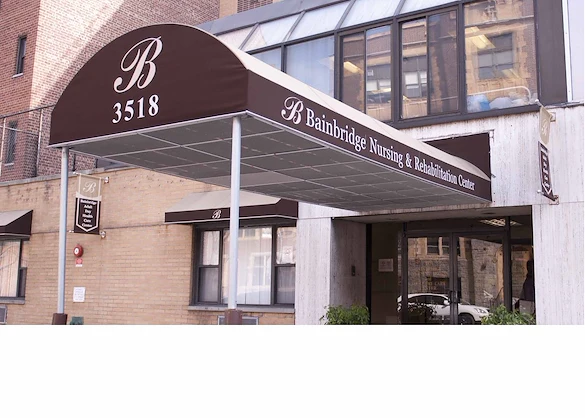 5.0Verified
Bainbridge Nursing & Rehabilitation
3518 Bainbridge Avenue Bronx, NY 10467
Long-Term Care / Skilled NursingSkilled Rehabilitation -
 4.0Verified
Schervier Nursing Care Center
2975 Independence Avenue Bronx, NY 10463
Long-Term Care / Skilled NursingSkilled Rehabilitation -
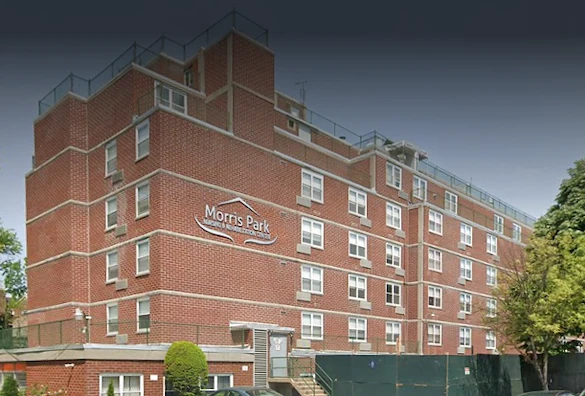 1.0Verified
Morris Park Rehabilitation And Nursing Center
1235 Pelham Parkway North Bronx, NY 10469
Long-Term Care / Skilled NursingSkilled Rehabilitation -
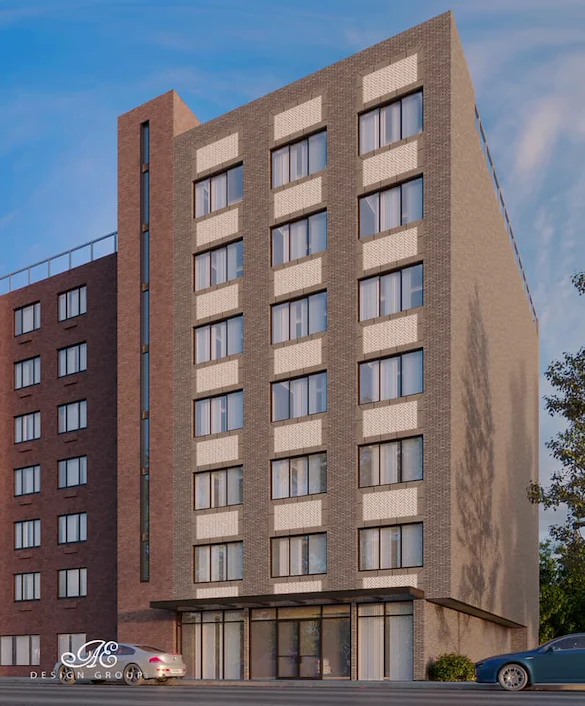 2.0Verified
Wayne Center For Nursing & Rehabilitation
3530 Wayne Avenue Bronx, NY 10467
Long-Term Care / Skilled NursingSkilled Rehabilitation


Compare Assisted Living Costs in New York
This chart sets the average monthly cost of assisted living across New York State against the U.S. average.
Assisted living costs and payment options have their own section on our New York State page, as do home care, nursing homes, and independent living.
For memory care, which that page doesn't break out yet, NY Connects can help with planning. NYC Aging runs it across the five boroughs. It offers free long-term care information and keeps a weekday office in the borough.
Local Resources for Older Adults in the Bronx, NY
The offices and tools below serve older adults in the Bronx, NY. City or state agencies run most of them, and the links lead to their pages for current hours, services, and rules on who qualifies.
- NYC Aging. Runs older adult centers, in-home services, caregiver support, and the Aging Connect help line. NYC Aging
- Bronx Borough President's Senior Services Unit. In-person help at 851 Grand Concourse for residents 60 and older, with housing, home health aides, and referrals. Senior Services
- Access-A-Ride. MTA paratransit for eligible riders whose disabilities keep them off buses and subways, in all five boroughs. Access-A-Ride
- MTA Reduced-Fare. Lower fares on subways and buses for riders 65 and older, with a same-day card when you sign up in person. Reduced-Fare
- NYS Health Profiles, Adult Care. The state's search, by county, for inspection citations and enforcement data on assisted living. Health Profiles
- Medicare Care Compare. A federal lookup where you can read about any nursing home ahead of a visit. Care Compare
Frequently Asked Questions
The Bronx Borough President's office runs a Senior Services Unit for residents 60 and older. Its staff help with housing, home health aides, caregivers, and referrals to city agencies and not-for-profits. In-person visits are at 851 Grand Concourse, 3rd Floor, on weekdays from 9 to 5.
Hours can change, so a call before the trip saves time. NYC Aging, the agency that serves older adults across the City, also runs a help line called Aging Connect. Dialing 311 reaches it, too. Starting with either one makes sense when you don't know yet which program fits.
Yes. NYC Aging says more than 300 older adult centers and affiliated sites operate throughout the five boroughs. Membership is free and open to all New Yorkers 60 and older. The centers offer meals, activities, classes, fitness programs, and social services, so they can anchor a week for someone living at home.
Classes can include walking clubs, yoga, chair exercises, tai chi, and workshops on preventing falls. Programs and schedules differ from one center to the next. NYC Aging suggests contacting a local center to see what it offers. Dropping by for a class is an easy first step toward new friendships.
Access-A-Ride, run by MTA New York City Transit, is a paratransit service for eligible riders whose disabilities keep them from using public buses and subways. It runs in all five boroughs, around the clock, every day of the week. Trips are shared rides, and they're booked one or two days ahead.
Reservations are taken daily between 7 in the morning and 5 in the afternoon, through MY AAR or by phone. For riders who can still manage the bus or subway, the MTA offers reduced fares from age 65. Signing up in person gets you a Reduced-Fare OMNY card the same day.
NYC Aging funds local case-management agencies to bring in-home services to residents 60 and older. A case manager visits the home to see who qualifies. Those who do can get meals delivered, help with bathing and dressing, housekeeping such as laundry and shopping, and counseling on long-term care.
NY Connects is another place to start. It's run in the City by NYC Aging and gives free information on long-term care to people of all ages. Its office in the borough is open 9 to 5 on weekdays, and until 7 in the evening on Wednesdays. A talk there can show what's offered before you hire private help.
NYC Aging offers caregivers information, benefits counseling, training, and support groups. It also offers respite, meaning short-term care from someone else so the caregiver can rest. The agency names memory changes like dementia among the reasons people become caregivers, and it publishes a Dementia Caregiving Guide.
Social Adult Day Care is another kind of break. It offers social time, supervision, personal care, and meals in a structured setting during the day. NYC Aging notes that most of these centers are privately owned. So it helps to ask each one about its hours, who it serves, and how a first day works.
Yes. Lehman College, a CUNY campus in the Bronx, NY, lets New York State residents 60 and older audit undergraduate courses tuition-free when space allows. An auditor attends the class but doesn't earn credit for it. A per-semester fee still applies. Anyone who wants credit pays full tuition and fees.
It's a simple way to keep learning and to spend time around people of every age. Since seats depend on space, it helps to contact the college well before the semester starts. Ask how the process works and which courses tend to have room.
Senior Living Near the Bronx, NY
Sources read for this page on Oct. 8, 2026: NYC Parks, Wave Hill, Wave Hill, New York Botanical Garden, NYC Parks, Orchard Beach, NYC Parks, Van Cortlandt Park, NYC Parks, Pelham Bay Park, CMS hospital data, Montefiore Einstein, NOAA climate normals, NYC Aging, NYC Aging in-home services, NYC Aging caregiving, Office of the Bronx Borough President, MTA Access-A-Ride, MTA Reduced-Fare, Lehman College, NYS Health Profiles, New York State's rules for special needs assisted living, and the U.S. Census Bureau's place codes.