


914,802
Population of Columbus

103,532
Residents aged 65 and older in Columbus

817
Senior Living & Care Options in Columbus

$6,040/Month
Average cost of Senior Living & Care in the area.
Columbus, with a population of 914,802, is home to 103,532 residents aged 65 and older. The city offers 817 senior living and care options. The average monthly cost of senior living & care in the area is $6,040.
A week of senior living in Columbus, OH, can be built around the City's community centers. Columbus Recreation and Parks runs a Sixty Plus membership for adults 60 and older. Members get priority registration for senior classes and trips. They also get access to the senior fitness centers and senior sports programs. A Leisure Card is required too, and registration happens in person.
The classes mix exercise with company, which can matter as much as the workout. The program says it has offered chair workouts, line dancing, pickleball, shuffleboard, tai chi, a walking club, and water aerobics. Offerings change by session, so the current schedule tells you what's running now.
Franklin County adds a second layer of support. The county calls Franklin County Senior Options its "one-stop shopping" point for senior services for residents 60 and older. Those services include adult day care, caregiver relief, case management, and emergency response systems. For a household sorting out help at home, that means one place to begin instead of a string of separate calls.
Columbus, OH, is the Franklin County seat, and the city also stretches into Delaware and Fairfield counties. Cold winters are part of the deal. By NOAA's 1991 to 2020 normals for the airport station in Columbus, OH, the January average low is 22.0°F, well below freezing. Summers warm up, with a July average high of 85.4°F. So on winter tours, covered parking or an indoor route to the dining room can matter a great deal.
Medicare's hospital data lists Riverside Methodist Hospital and Grant Medical Center in Columbus, OH, as acute care hospitals with emergency services. Both belong to OhioHealth, which says its emergency locations are ready 24/7 for serious conditions. In everyday terms, hospital and emergency care are part of the city itself.
The care types below start with a caregiver at home and end with skilled nursing. Begin wherever today's needs point, then glance one step ahead, since needs can grow. Senior living communities in Columbus, OH, are sorted under each heading, and you're the one who decides whom to call.
Columbus, OH at a Glance




Home Care in Columbus, Ohio
View All Providers-
 4.9Verified
Village Caregiving of Columbus
1200 Chambers Rd. Suite 205 Columbus, OH 43212
Home Care (Non-Medical) -
 4.8Verified
Home Helpers Home Care of Columbus
10 E. Weber Road Columbus, OH 43202
Home Care (Non-Medical) -
 4.9Verified
Comfort Keepers - Upper Arlington
3518 Riverside Dr, Suite 202A Upper Arlington, OH 43221
Home Care (Non-Medical) -
 4.7Verified
Griswold Home Care for Northern Franklin & Delaware Counties
4705 N High Street Columbus, OH 43214
Home Care (Non-Medical)


Independent Living & Active Adult Living in Columbus, Ohio
View All Providers-
 4.2Premium
Danbury Westerville
730 N Spring Rd Westerville, OH 43082
Independent LivingAssisted Living -
 4.6Premium
Verena at Hilliard
4522 Hickory Chase Way Hilliard, OH 43026
Active Adult LivingIndependent Living -
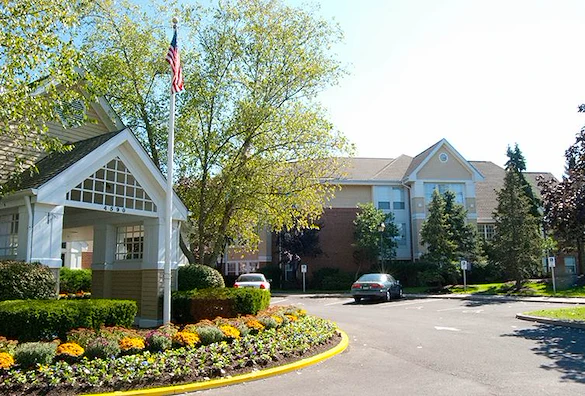 4.1Premium
The Estates at Knightsbridge
4590 Knightsbridge Blvd Columbus, OH 43214
Independent LivingAssisted LivingMemory Care -
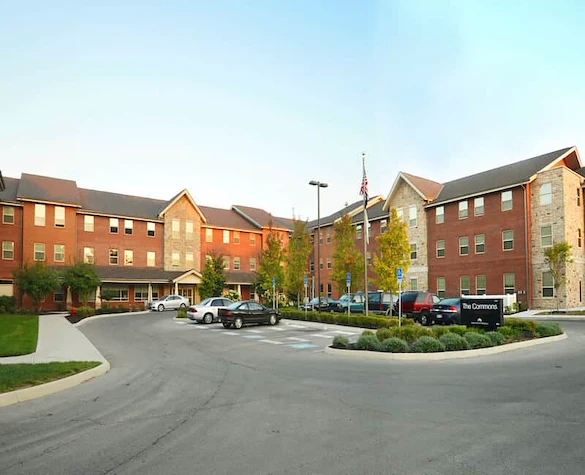 4.3Verified
Commons at Livingston
3349 East Livingston Ave Columbus, OH 43227
Independent LivingLow Income / Affordable -
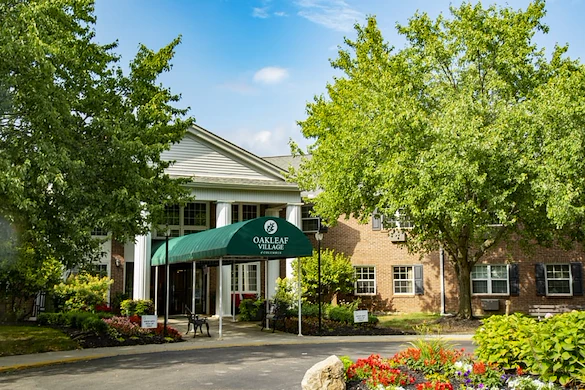 4.3Verified
Oakleaf Village of Columbus
5500 Karl Rd Columbus, OH 43229
Independent LivingAssisted Living -
-
 4.6Verified
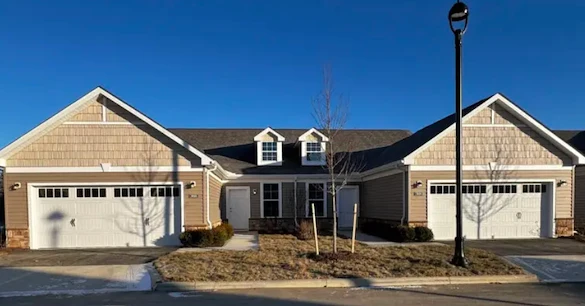
Grove City Senior Living
3615 Glacial Lane Grove City, OH 43123
Independent LivingAssisted LivingMemory Care


Assisted Living in Columbus, Ohio
View All Providers-
4.2Premium
Danbury Westerville
730 N Spring Rd Westerville, OH 43082
Independent LivingAssisted Living -
4.1Premium
The Estates at Knightsbridge
4590 Knightsbridge Blvd Columbus, OH 43214
Independent LivingAssisted LivingMemory Care -
 4.7Verified
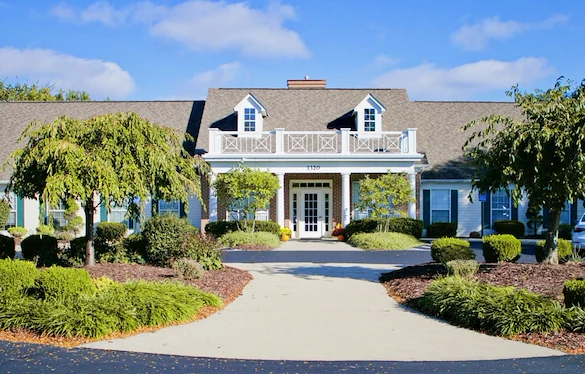
Abbington of Arlington Assisted Living
1320 Old Henderson Road Columbus, OH 43220
Assisted LivingRespite Care -
-
 4.1Verified
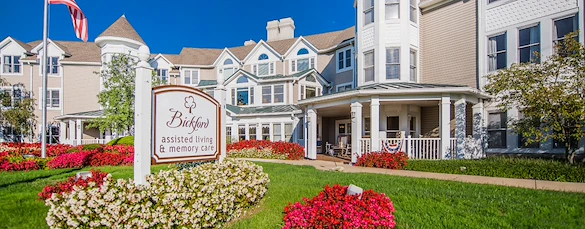
Bickford of Upper Arlington
3500 Riverside Dr Columbus, OH 43221
Assisted LivingMemory Care -
4.6Verified
Grove City Senior Living
3615 Glacial Lane Grove City, OH 43123
Independent LivingAssisted LivingMemory Care


Memory Care in Columbus, Ohio
View All Providers-
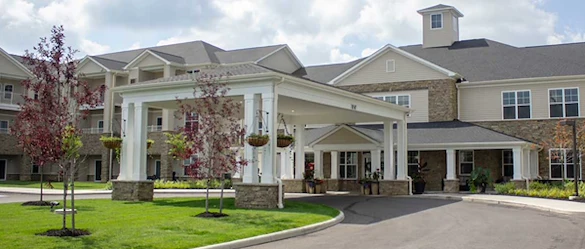 4.5Premium
StoryPoint Grove City
3717 Orders Rd Grove City, OH 43123
Independent LivingAssisted LivingMemory Care -
4.1Premium
The Estates at Knightsbridge
4590 Knightsbridge Blvd Columbus, OH 43214
Independent LivingAssisted LivingMemory Care -
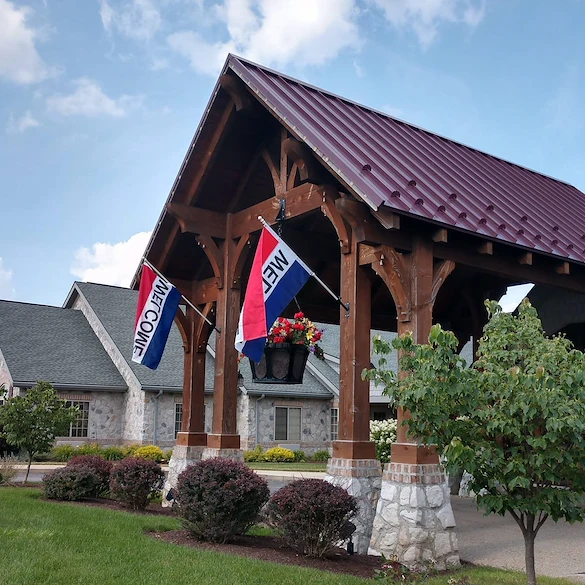
-
4.1Verified
Bickford of Upper Arlington
3500 Riverside Dr Columbus, OH 43221
Assisted LivingMemory Care -
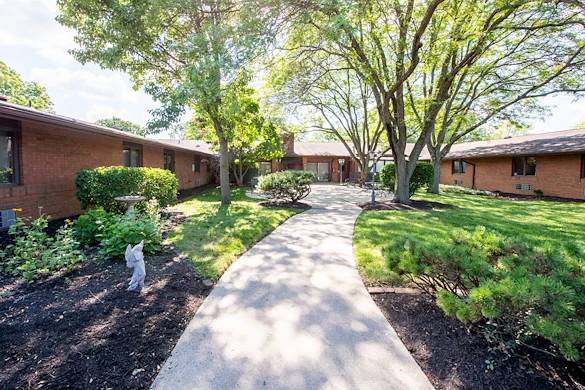 2.0Verified
West Park - Optalis Health & Rehabilitation Center
1700 Heinzerling Drive Columbus, OH 43223
Memory CareLong-Term Care / Skilled NursingSkilled RehabilitationRespite Care -
4.6Verified
Grove City Senior Living
3615 Glacial Lane Grove City, OH 43123
Independent LivingAssisted LivingMemory Care


Long Term Care & Skilled Nursing in Columbus, Ohio
View All Providers-
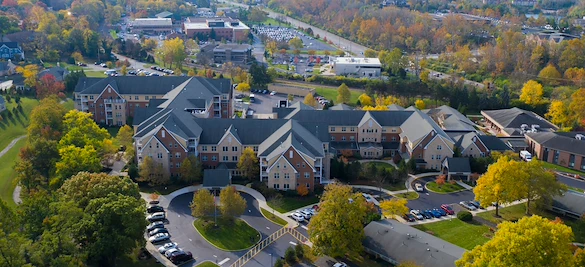 4.0Verified
First Community Village Skilled Nursing
1800 Riverside Drive Columbus, OH 43212
Long-Term Care / Skilled NursingSkilled RehabilitationLife Plan Community/CCRCRespite Care -
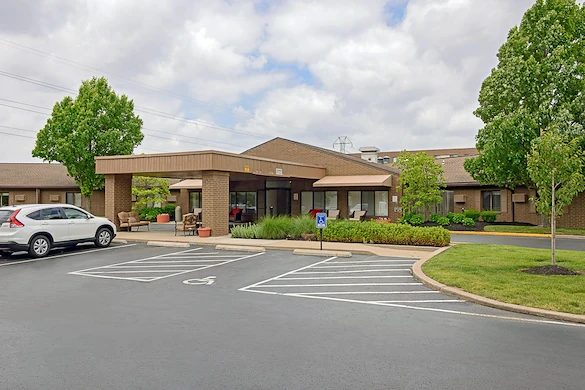 2.0Verified
Mayfair Village Nursing Care Center
3000 Bethel Rd Columbus, OH 43230
Long-Term Care / Skilled NursingSkilled Rehabilitation -
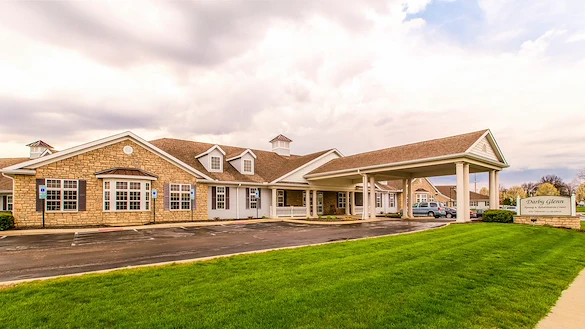 5.0Verified
Darby Glenn Nursing And Rehabilitation Center
4787 Tremont Club Drive Hilliard, OH 43026
Long-Term Care / Skilled NursingSkilled RehabilitationRespite Care -
2.0Verified
West Park - Optalis Health & Rehabilitation Center
1700 Heinzerling Drive Columbus, OH 43223
Memory CareLong-Term Care / Skilled NursingSkilled RehabilitationRespite Care


Compare Assisted Living Costs in Ohio
This Ohio-versus-national chart tracks the average monthly cost of assisted living.
For deeper detail, our Ohio page gives assisted living its own cost section, and does the same for home care, nursing homes, and independent living. Those sections explain paying for care, too.
There's no memory care section on that page so far. Questions about memory care can go first to the Franklin County Office on Aging. It gives older adults and their families central access to county programs and services.
Local Resources for Older Adults in Columbus, OH
These organizations serve older adults in Columbus, OH, and across Franklin County. Each name below links to the organization's own page, with current programs, sign-up steps, and who qualifies.
- Columbus Recreation and Parks, Sixty Plus. The City's membership for adults 60 and older. It brings priority registration for senior classes and trips, plus senior fitness and sports. Sixty Plus
- Franklin County Office on Aging. The county office that links older adults, dependent adults, and their families to programs that help them stay independent. Office on Aging
- Franklin County Senior Options. The county's starting point for services for residents 60 and older, from adult day care to caregiver relief. Senior Options Programs
- Central Ohio Area Agency on Aging. The area agency the state lists for Franklin County and seven other counties. Central Ohio Area Agency on Aging
- Regional long-term care ombudsman. The state's map shows the Region 6 program that serves Franklin County and the rest of Central Ohio. Regional Ombudsman Contact Map
- COTA Mainstream. The paratransit service of the Central Ohio Transit Authority, for riders certified eligible under the ADA. COTA Mainstream
- Columbus Metropolitan Library, Adaptive Services. Large print, screen-reading tools on public computers, and help with events and classes on request. Adaptive Services
Frequently Asked Questions
Columbus Recreation and Parks runs its programs for adults 60 and older through its community centers. Its Sixty Plus program lists seven of them: Barnett, Dodge, Gillie, Lazelle Woods, Marion Franklin, Thompson, and Whetstone. Any of the seven is a good place to ask which classes and activities for adults 60 and older are running this session.
Dodge Community Center, on Sullivant Avenue, lists a fitness room, game room, gymnasium, library, and pool. Dodge and Thompson also hand out Senior Food Boxes once or twice a month. Sign-up is required, and those two centers can explain who's eligible.
COTA Mainstream is the Central Ohio Transit Authority's paratransit service. Its origin-to-destination rides serve people whose functional limitations keep them off COTA's fixed-route buses. It follows the ADA, not age. Riders must be certified eligible before they can book a trip, so it's good to apply well ahead of need.
Mainstream rides stay inside a zone that reaches three-quarters of a mile from COTA's fixed-route lines. The applicant fills out part 1 of the form. A licensed professional who knows the rider's limits completes part 2. An interview and functional assessment come next, and COTA mails its decision within 21 days of the assessment. Approved riders book 1 to 7 days ahead by app, online, or by phone.
The Franklin County Office on Aging is the main door. It gives older adults, dependent adults, and their families central access to programs and services meant to help them keep their independence. Its office is on East Broad Street in Columbus, OH, and it's a sensible place to start if the right program isn't clear yet.
There's a regional layer, too. The Ohio Department of Aging lists the Central Ohio Area Agency on Aging as the area agency for Franklin County and seven other counties. If a question reaches past county programs, that regional agency is another place to ask.
Visiting several communities in person is the clearest way to compare. It also helps to know who stands up for residents here. On the Ohio Department of Aging's ombudsman map, Franklin County falls in Region 6, Central Ohio, which covers eight counties. That regional program advocates for people getting long-term care, wherever they live.
To find the best fit, pick two or three favorites among the assisted living communities on this page. Use one written question list at each tour. Notes on mealtime, the hallways, and how staff greet residents keep the visits from blurring together.
Columbus Metropolitan Library's Adaptive Services is the place to look. The library lends audiobooks, eBooks, and print books in standard and large print. Every public computer has screen-magnification and screen-reader software. The Main Library, on South Grant Avenue, also has a CCTV magnifier, which shows a printed page enlarged on a screen.
The library makes reasonable accommodations for its events and classes when someone asks. That makes it easier to keep reading, join a class, or use a computer as eyesight changes.
Yes. Columbus State Community College's Good as Gold program is open to Ohio residents 60 and older who want to audit courses for personal enrichment. A seat has to be open and the instructor has to approve, and audited courses don't earn college credit. It's a way to study a subject purely for the interest of it.
The Ohio State University has a similar path called Program 60, which invites Ohio residents 60 and older to audit its courses. Each school sets its own steps to join, so it helps to read the program's details before a new term begins.
Senior Living Near Columbus, OH
Sources, checked Nov. 10, 2026: Sixty Plus, Dodge Community Center, Fran Ryan Center, Scioto Mile Promenade, Whetstone Park, Franklin County Office on Aging, Franklin County Senior Options, Franklin County meal delivery, Franklin County caregiver support, Ohio Department of Aging, Ohio Department of Aging ombudsman map, Central Ohio Transit Authority, CMS hospital data, OhioHealth, NOAA climate normals, Columbus Metropolitan Library, Columbus State Community College, The Ohio State University, Ohio Revised Code, Ohio Administrative Code, U.S. Census Bureau, and Ohio Department of Development.