

11,771
Population of Little River
4,972
Residents aged 65 and older in Little River

76
Senior Living & Care Options in Little River

$5,254/Month
Average cost of Senior Living & Care in the area.
Little River, with a population of 11,771, is home to 4,972 residents aged 65 and older. The city offers 76 senior living and care options. The average monthly cost of senior living & care in the area is $5,254.
Neighbors in Little River, SC, have a ready place to gather at Horry County's C.B. Berry Community Center. The 4,750-square-foot building has a full kitchen, a large meeting space, and a multipurpose room for conferences and activities. It hosts recreation programs and community events, the county says.
The center shares its grounds with Vereen Memorial Historical Gardens, which the county places on the Intracoastal Waterway. Its more than 115 acres of forest and marshland hold about 3 miles of nature trails and boardwalks. They wind through botanical gardens and along the water.
Out along the boardwalk stands the Wishing Tree, an old cypress. Visitors bring a marker, write a wish on a shell, and hang it on the tree. The county lists it on the Myrtle Beach Arts & Gallery Trail.
A week here might mix an indoor program with neighbors and a walk by the marsh with a friend. It might end with a wish hung on the old cypress. Over time, small, repeated meetings like these make senior living in Little River, SC, feel like home.
The Census Bureau lists Little River, SC, as a Census-designated place in Horry County. It's an unincorporated community with no town government of its own. So the parks, library, aging services, and public transit that older adults use come from Horry County and the region.
The climate figures come from a NOAA station at the airport in North Myrtle Beach, SC, not from one inside Little River, SC. Over 1991 to 2020, that station averaged 36.7°F for January lows and 87.6°F for July highs. January nights turn chilly, and July afternoons are hot, so summer garden walks may suit the morning.
No hospital appears in Medicare's hospital data for Little River, SC. Horry County has two listed acute care hospitals with emergency services. Myrtle Beach, SC, has Grand Strand Regional Medical Center, and Conway, SC, has Conway Medical Center. Grand Strand Health says its emergency rooms give support 24/7. Conway Medical Center also lists a primary care office and an urgent care office in Little River, SC. Urgent care handles everyday illness and minor injuries but isn't an emergency room. Routine visits can stay local, and hospital emergencies go to Myrtle Beach, SC, or Conway, SC.
Each care type below explains that help in Little River, SC, and what to ask. Senior living communities appear with each one, ready to compare and contact.
Little River, SC at a Glance



Independent Living & Active Adult Living in Little River, South Carolina
View All Providers-
 4.6Premium
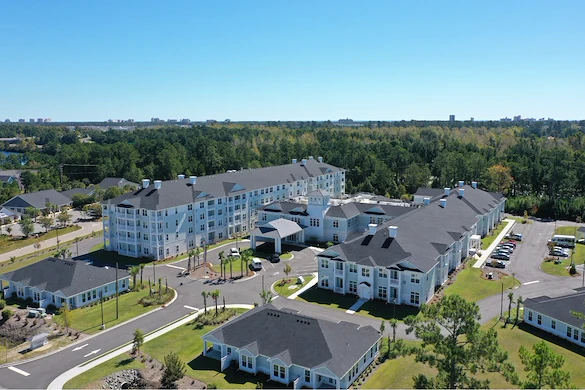
Indigo Carolina Forest
176 Village Center Blvd Myrtle Beach, SC 29579
Independent LivingAssisted LivingMemory CareRespite Care -
 4.6Premium
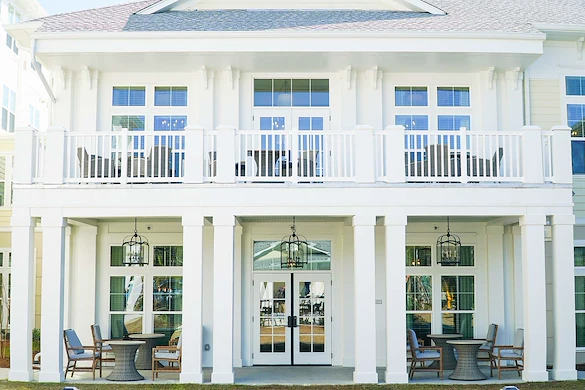
The Barclay at Little River
2585 Highway 179 Little River, SC 29566
Independent LivingAssisted LivingMemory Care -
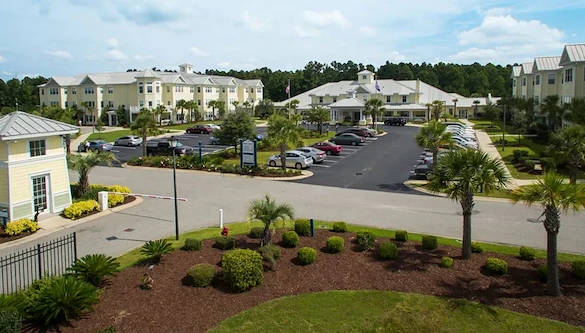 4.6Verified
Brightwater
101 Brightwater Dr Myrtle Beach, SC 29579
Active Adult LivingIndependent LivingAssisted LivingMemory Care -
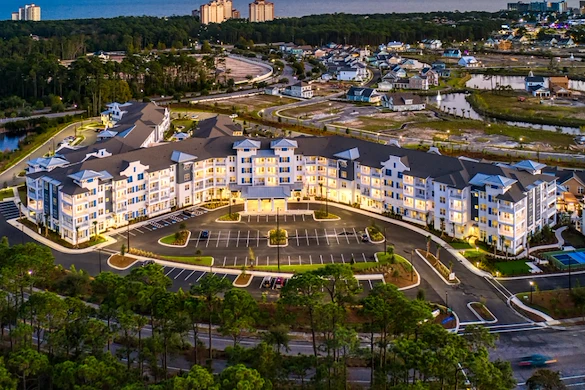 4.6Verified
Portside of Grande Dunes
901 Portside Dr Myrtle Beach, SC 29572
Independent LivingAssisted LivingMemory Care -
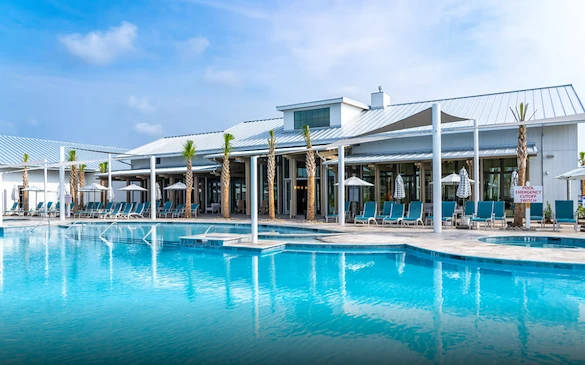 4.6Verified
Del Webb North Myrtle Beach
1315 Saw Palmetto Street North Myrtle Beach, SC 29582
Active Adult LivingIndependent Living -
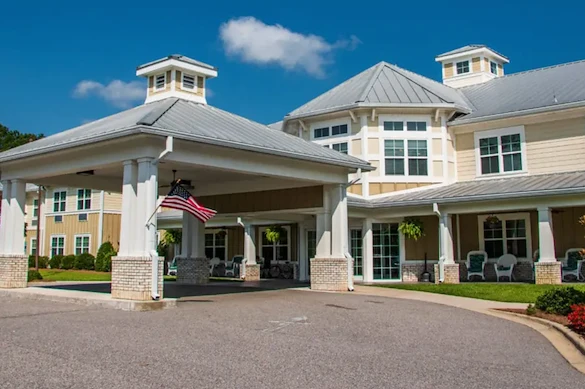 4.3Verified
Atria Ocean Isle
5490 Arbor Branch Drive Shallotte, NC 28470
Independent LivingAssisted LivingMemory Care


Assisted Living in Little River, South Carolina
View All Providers-
4.6Premium
The Barclay at Little River
2585 Highway 179 Little River, SC 29566
Independent LivingAssisted LivingMemory Care -
4.6Premium
Indigo Carolina Forest
176 Village Center Blvd Myrtle Beach, SC 29579
Independent LivingAssisted LivingMemory CareRespite Care -
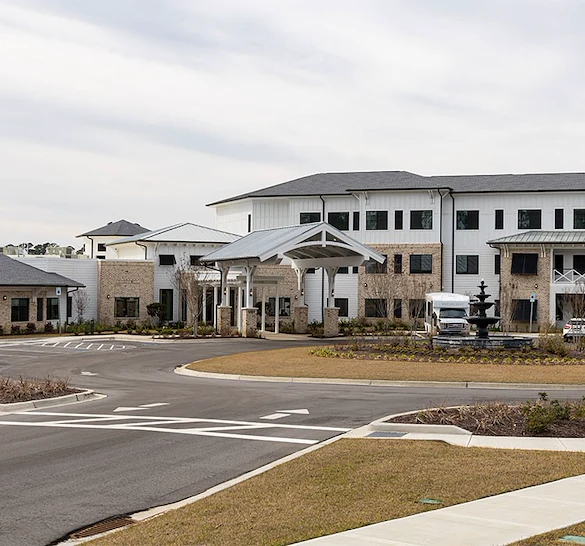 4.8Verified
American House Myrtle Beach
6151 Colline Verde Wy Myrtle Beach, SC 29572
Assisted LivingMemory Care -
4.6Verified
Brightwater
101 Brightwater Dr Myrtle Beach, SC 29579
Active Adult LivingIndependent LivingAssisted LivingMemory Care -
4.6Verified
Portside of Grande Dunes
901 Portside Dr Myrtle Beach, SC 29572
Independent LivingAssisted LivingMemory Care -
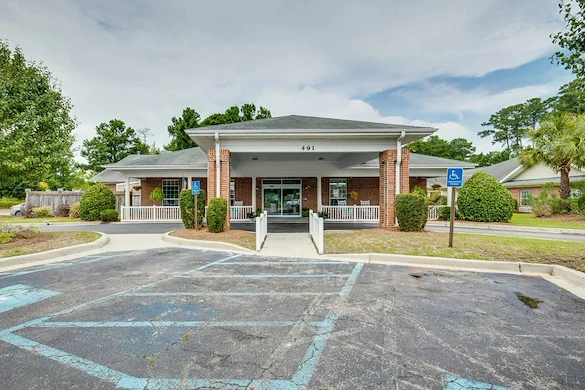 4.4Verified
The Legacy of North Myrtle Beach
491 Highway 17 Little River, SC 29566
Assisted LivingMemory Care


Memory Care in Little River, South Carolina
View All Providers-
4.6Premium
The Barclay at Little River
2585 Highway 179 Little River, SC 29566
Independent LivingAssisted LivingMemory Care -
4.6Premium
Indigo Carolina Forest
176 Village Center Blvd Myrtle Beach, SC 29579
Independent LivingAssisted LivingMemory CareRespite Care -
4.8Verified
American House Myrtle Beach
6151 Colline Verde Wy Myrtle Beach, SC 29572
Assisted LivingMemory Care -
4.6Verified
Brightwater
101 Brightwater Dr Myrtle Beach, SC 29579
Active Adult LivingIndependent LivingAssisted LivingMemory Care -
4.6Verified
Portside of Grande Dunes
901 Portside Dr Myrtle Beach, SC 29572
Independent LivingAssisted LivingMemory Care -
4.4Verified
The Legacy of North Myrtle Beach
491 Highway 17 Little River, SC 29566
Assisted LivingMemory Care
Long Term Care & Skilled Nursing in Little River, South Carolina
View All Providers-
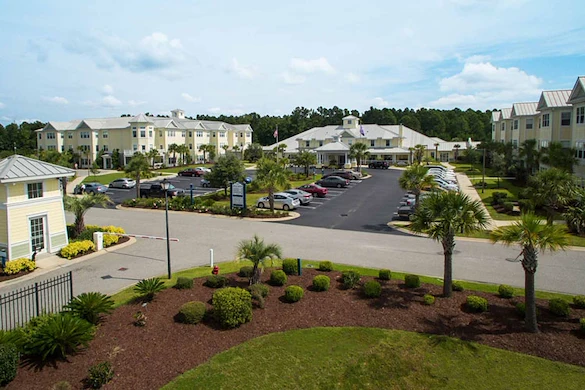 4.0Verified
The Retreat at Brightwater
171 Brightwater Drive Myrtle Beach, SC 29579
Long-Term Care / Skilled NursingSkilled RehabilitationLife Plan Community/CCRC -
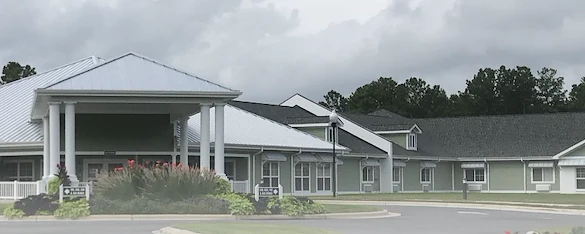 1.0Verified
Brunswick Health & Rehab
9600 No 5 School Road Ash, NC 28420
Long-Term Care / Skilled NursingSkilled Rehabilitation -
 3.0Verified
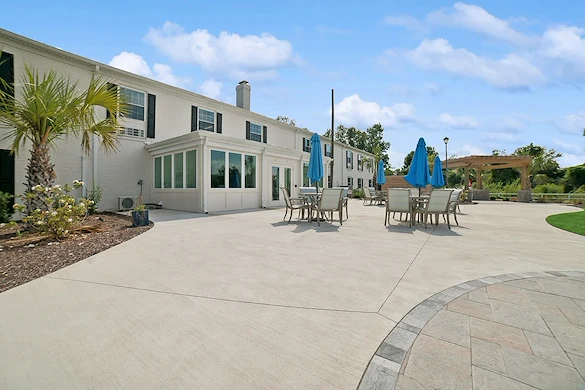
Myrtle Beach Manor Health Center
9547 Highway 17, North Myrtle Beach, SC 29572
Memory CareLong-Term Care / Skilled NursingSkilled Rehabilitation


Home Care in Little River, South Carolina
View All Providers-

-
 4.9Verified
Grand Strand - Myrtle Beach
2411 N Oak St Ste 104 Myrtle Beach, SC 29577
Home Care (Non-Medical) -
 5.0Verified
Visiting Angels - Myrtle Beach
2105-D Cromley Cir Myrtle Beach, SC 29577
Home Care (Non-Medical) -
 5.0Verified
Seniors Helping Seniors Brunswick Shores
197 Calabash Rd NW Unit 2 Calabash, NC 28467
Home Care (Non-Medical)


Compare Assisted Living Costs in South Carolina
Here's how South Carolina's monthly assisted living cost stacks up nationally.
Each care type has its own cost and payment section on our South Carolina page: see nursing homes, independent living, and assisted living, plus home care.
The page has no memory care figures. For memory care questions, people in Little River, SC, can contact WRCOG's Aging Services, which runs aging programs for Horry County.
Local Resources for Older Adults in Little River, SC
Horry County and regional agencies run the programs below for older adults in Little River, SC. The links go to each organization, where you can confirm current details and who qualifies.
- WRCOG Aging Services. Horry County's Area Agency on Aging, with meals, caregiver help, and other programs for older adults. Aging Services
- WRCOG Long Term Care Ombudsman. Horry County's regional ombudsman team, based at WRCOG. Ombudsman
- WRCOG Senior Rides. Scheduled non-emergency medical trips for adults 60 and up, after an assessment. Senior Rides
- Coast RTA Paratransit Service. Curb-to-curb shared rides for people with disabilities, with stops inside the three-quarter-mile range of a fixed route. Paratransit
- Horry County Recreation Centers. Details for the North Strand Recreation Center and the C.B. Berry Community Center. Recreation Centers
- Horry County Memorial Library Talking Book Services. Help applying for talking books by mail. Talking Book Services
- Medicare Care Compare. Medicare's nursing home lookup, handy ahead of a tour. Care Compare
Frequently Asked Questions
For Horry County, the Area Agency on Aging is the Waccamaw Regional Council of Governments (WRCOG). Its aging work stretches into Georgetown and Williamsburg counties as well. In the South Carolina Department on Aging's list of regions, the Waccamaw Area Agency on Aging is Region VIII. Older adults in Little River, SC, turn to WRCOG for those programs.
Meals are one example. WRCOG's congregate meal program serves a hot meal at 20 senior community centers in its three counties, and it adds activities like exercise classes. For people who can't drive themselves to a center, the program offers help getting there. It's good to ask WRCOG which center suits a person's week.
Yes, for planned visits. WRCOG's Senior Rides Program offers scheduled medical rides that aren't emergencies. It's open to people 60 and older who complete an assessment first. Each ride has to be requested at least three business days ahead. This makes the program a fit for checkups and other appointments set in advance.
Coast RTA is the public transit provider for Horry and Georgetown counties. Its paratransit service is curb-to-curb and shared. It's meant for anyone a physical or mental disability keeps from riding the fixed routes safely alone. A doctor certifies the disability, and trips are reserved the day before. Pick-up and drop-off spots must lie within a three-quarter-mile radius of a Coast RTA fixed route. It helps to ask Coast RTA about a given address in Little River, SC.
Yes. WRCOG lists a caregiver support group that meets monthly in Little River, SC. WRCOG says support groups give caregivers emotional support and understanding from others facing similar challenges. For anyone caring for someone at home, that's a regular chance to talk with people who know the work firsthand.
Meeting places and times can change, so it's wise to confirm the current details with WRCOG before going. Caregivers who need more than a conversation can also look at WRCOG's respite help, described in the Memory Care section above. A group and a break can work side by side.
Horry County's North Strand Recreation Center is on Highway 57 in Little River, SC. The county lists a full-size gymnasium there, along with an indoor walking track, a fitness room for exercise classes, and a multipurpose room. That means there's a place to keep moving under a roof in any weather.
An indoor track helps on hot summer days and wet ones, when a walk outside loses its appeal. Exercise classes in the fitness room add company to a workout. Class times shift through the year, and the county's recreation centers page has the current lineup.
Yes. The Horry County Memorial Library offers talking books for people with visual, physical, or print disabilities. The South Carolina State Library mails them to readers. Library staff help fill out the application and certify it. That way a patron in Little River, SC, has help with the forms from the start.
The library's Books By Mail service is another choice. It sends up to two items at a time to the mailbox of patrons with impaired vision, limited mobility, or other disabilities. It covers both short-term and lasting conditions. Together, the two services keep reading within reach without a trip to a branch.
Coastal Carolina University runs OLLI@Coastal, its Osher Lifelong Learning Institute, as a learning community for adults 50 and older. Members can join non-credit classes, events, and excursions, plus clubs for bridge, gardening, and books. The institute's office sits at the Coastal Science Center in Conway, SC, not in Little River, SC.
For someone who likes to learn, a group like this adds new subjects and new friends to the week. It's good to ask OLLI@Coastal where its classes meet and how members sign up. Comparing that with a community's own activity calendar shows how learning could fit into daily life.
Senior Living Near Little River, SC
Sources, checked Oct. 15, 2026: Horry County Parks, Horry County news, Horry County Recreation Centers, Horry County Boat Landings, U.S. Census Bureau, Horry County Memorial Library, Horry County news on the Little River Library, Books By Mail, Bookmobile, Talking Book Services, CMS hospital data, Grand Strand Medical Center, Conway Medical Center, WRCOG Aging Services, South Carolina Department on Aging, WRCOG Senior Nutrition, WRCOG Family Caregiver Assistance, WRCOG Senior Rides, WRCOG Long Term Care Ombudsman, Coast RTA, Coast RTA Paratransit, Coastal Carolina University, South Carolina Regulation 60-84, and NOAA climate normals.