

201,883
Population of Grand Prairie

22,252
Residents aged 65 and older in Grand Prairie

1470
Senior Living & Care Options in Grand Prairie

$4,214/Month
Average cost of Senior Living & Care in the area.
Grand Prairie, with a population of 201,883, is home to 22,252 residents aged 65 and older. The city offers 1470 senior living and care options. The average monthly cost of senior living & care in the area is $4,214.
A week of senior living in Grand Prairie, TX, can easily revolve around The Summit 50+ Recreation Center. The City's Parks, Arts and Recreation department describes the center at 2975 Esplanade Dr. as a recreation hub for active adults over 50.
Inside, there's a heated indoor pool with lap lanes and an indoor walking track that looks out over the lake and Grand Central Park. A gym hosts pickleball, basketball, and volleyball. Members also have a cardio and strength area and a room for group exercise.
The Summit sits inside EpicCentral, a 172-acre City park with five lakes, a boardwalk, and a grand lawn with an amphitheater. PlayGrand Adventures, a free 10-acre playground in the park, is designed for all ages and all abilities. It's an easy outing with visiting grandchildren.
The City keeps older residents in view, too. The City's Commission on Aging has nine members, one named by the mayor and one by each council member. It recommends programs and services for seniors in Grand Prairie, TX, to the City Council.
The city spreads across three counties: Dallas County, Tarrant County, and Ellis County. It sits between Dallas, TX, and Fort Worth, TX, and Interstate 30 and Interstate 20 cross it from east to west. The City puts its eastern edge 12 miles west of downtown Dallas, TX, and its western edge 15 miles east of Fort Worth, TX.
That three-county layout matters, because the county an address falls in decides which Area Agency on Aging serves it. The questions and answers lower on this page sort out each one.
Hospital care means a trip to another city, since none in Medicare's data sits in Grand Prairie, TX. Medicare lists Texas Health Arlington Memorial Hospital and a Medical City hospital in Arlington, TX. It also lists Dallas Regional Medical Center in Mesquite, TX, and Methodist Charlton Medical Center in Dallas, TX. All four are acute care hospitals with emergency services, which means they treat urgent, serious medical problems.
NOAA's 1991 to 2020 normals for its airport station in Arlington, TX, put January's average low at 36.6°F, above freezing. July's average high reaches 95.9°F, and on those afternoons an indoor pool and track come in handy.
The care sections below explain each option. From there, you can compare the senior living communities in Grand Prairie, TX, listed on this page and reach out to the ones you like directly.
Grand Prairie, TX at a Glance




Independent Living & Active Adult Living in Grand Prairie, Texas
View All Providers-
 4.0Premium
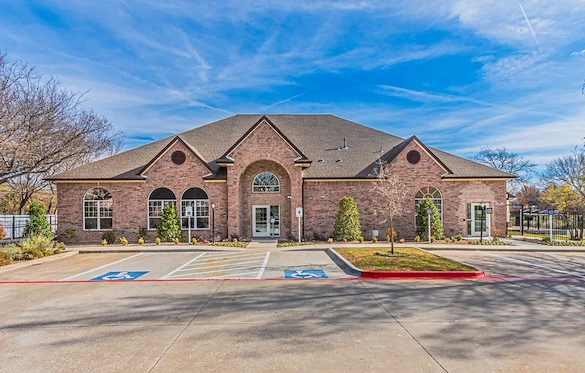
Hickory Manor
1626 Old Hickory Trail DeSoto, TX 75115
Active Adult LivingIndependent LivingLow Income / Affordable -
-
 4.5Premium
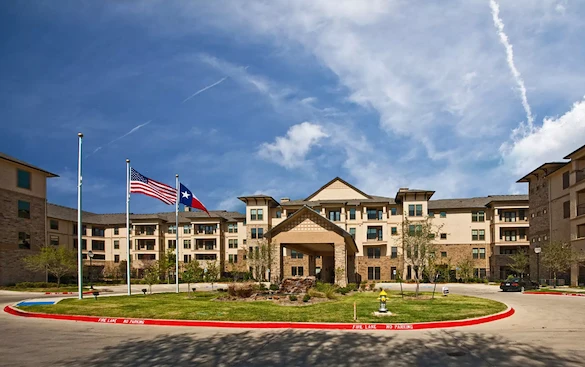
StoryPoint Carrollton at Josey Ranch
2105 N Josey Ln Carrollton, TX 75006
Active Adult LivingIndependent Living -
 4.8Verified
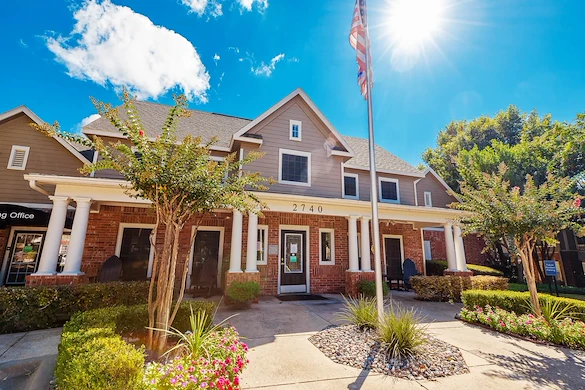
Residence at the Oaks
2740 Duncanville Road Dallas, TX 75211
Active Adult LivingIndependent Living -
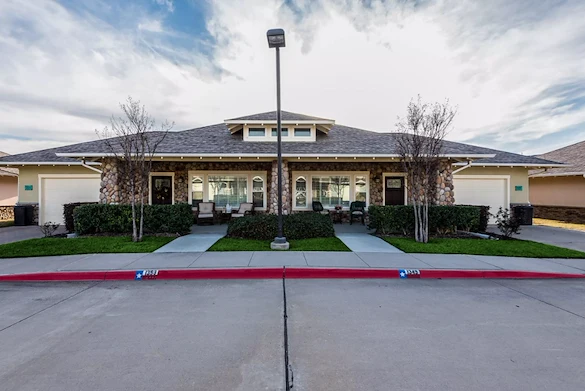 4.5Verified
Washington Pointe Las Colinas
1295 Kinwest Pkwy Irving, TX 75063
Independent LivingAssisted LivingMemory Care -
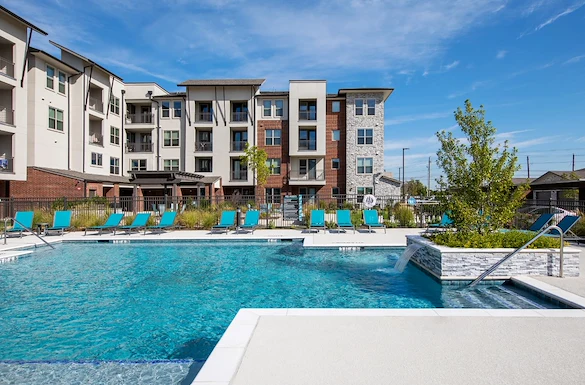 4.4Verified
The Luxe at Cedar Hill
1240 E. Pleasant Run Road Cedar Hill, TX 75104
Active Adult LivingIndependent Living -


Assisted Living in Grand Prairie, Texas
View All Providers-
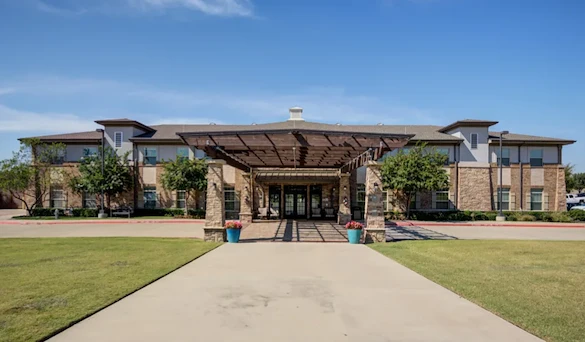 4.3Premium
Truewood by Merrill, Keller
200 Keller Smithfield Road S Keller, TX 76248
Assisted LivingMemory Care -
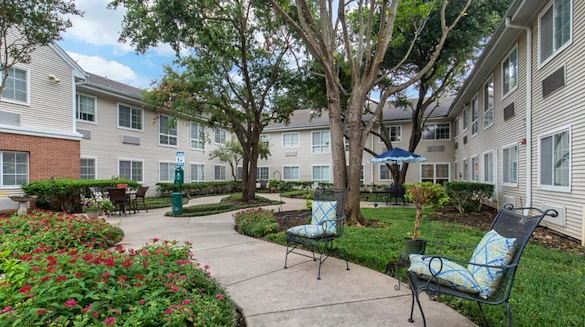 4.5Premium
Juniper Village at Preston Hollow
12400 Preston Rd Dallas, TX 75230
Assisted LivingMemory Care -
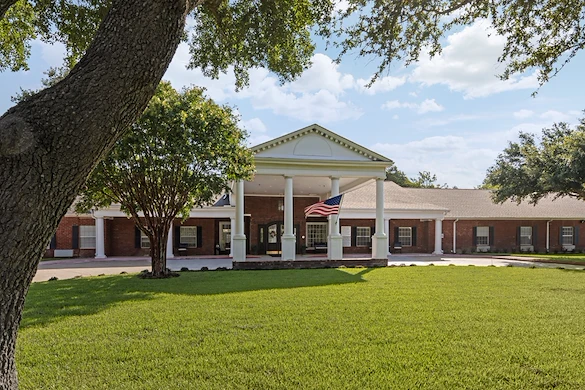 4.6Premium
Carver Heights Estates
4101 W Arkansas Ln Arlington, TX 76016
Assisted LivingRespite Care -
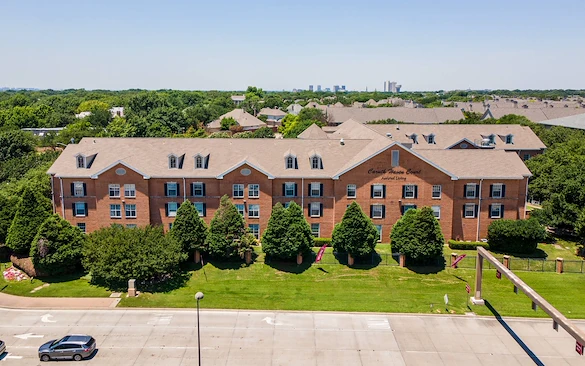 4.8Premium
StoryPoint Caruth Haven
5585 Caruth Haven Ln Dallas, TX 75225
Assisted LivingMemory Care -
-
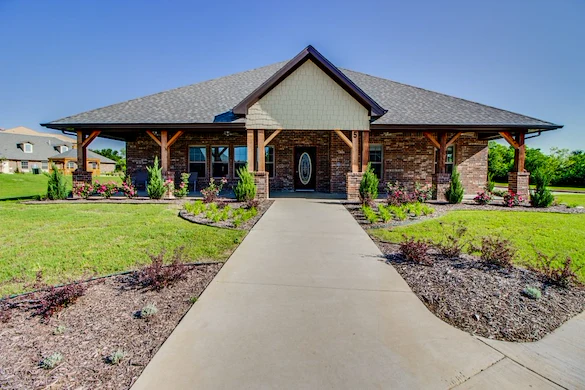 4.8Verified
Mayberry Gardens - Grand Prairie
540 E Polo Rd Grand Prairie, TX 75052
Assisted LivingMemory Care -
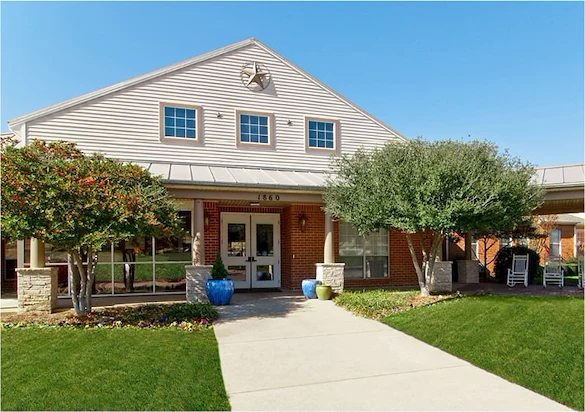 4.4Verified
The Waterford on Cooper
1860 N Cooper St Arlington, TX 76011
Assisted LivingMemory CareRespite Care -
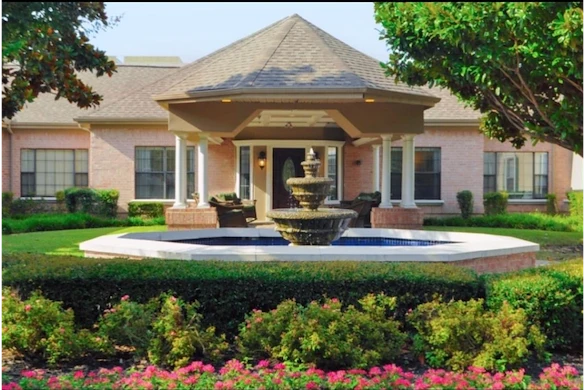 4.6Verified
Colonial Oaks at Arlington
514 Central Park Drive Arlington, TX 76014
Assisted LivingMemory Care -
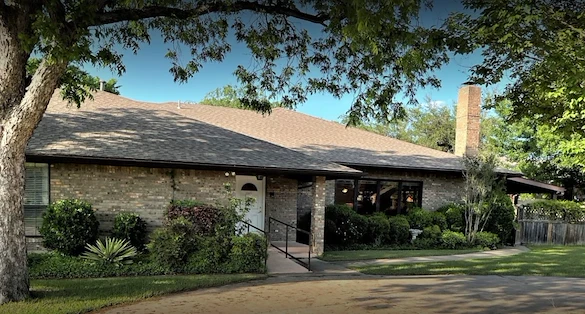 4.5Verified
VIP Living Centers
3219 Vinson Ct Irving, TX 75060
Assisted LivingMemory CareRespite Care


Memory Care in Grand Prairie, Texas
View All Providers-
4.5Premium
Juniper Village at Preston Hollow
12400 Preston Rd Dallas, TX 75230
Assisted LivingMemory Care -
4.8Premium
StoryPoint Caruth Haven
5585 Caruth Haven Ln Dallas, TX 75225
Assisted LivingMemory Care -
4.3Premium
Truewood by Merrill, Keller
200 Keller Smithfield Road S Keller, TX 76248
Assisted LivingMemory Care -
4.8Verified
Mayberry Gardens - Grand Prairie
540 E Polo Rd Grand Prairie, TX 75052
Assisted LivingMemory Care -
4.4Verified
The Waterford on Cooper
1860 N Cooper St Arlington, TX 76011
Assisted LivingMemory CareRespite Care -
4.6Verified
Colonial Oaks at Arlington
514 Central Park Drive Arlington, TX 76014
Assisted LivingMemory Care -
4.5Verified
VIP Living Centers
3219 Vinson Ct Irving, TX 75060
Assisted LivingMemory CareRespite Care
Long Term Care & Skilled Nursing in Grand Prairie, Texas
View All Providers-
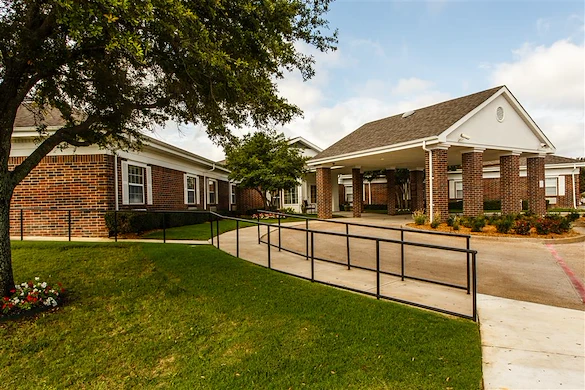 2.0Verified
The Villa At Mountain View
2918 Duncanville Rd Dallas, TX 75211
Long-Term Care / Skilled NursingSkilled Rehabilitation -
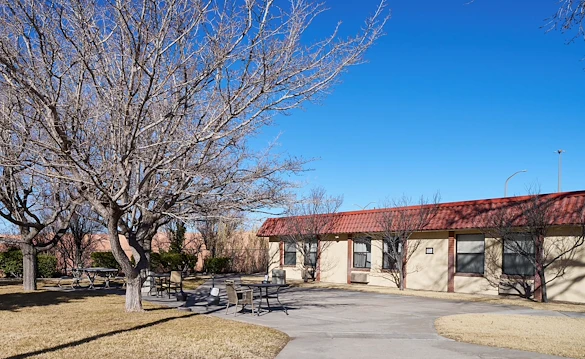 2.0Verified
Skyline Nursing Center
3326 Burgoyne St Dallas, TX 75233
Long-Term Care / Skilled NursingSkilled Rehabilitation -
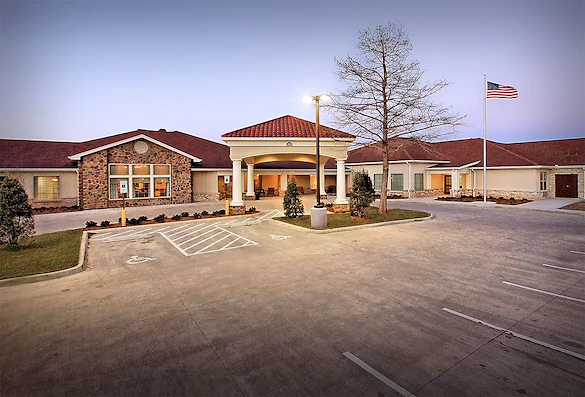 2.0
The Villages On Macarthur
3443 N Macarthur Blvd Irving, TX 75062
Long-Term Care / Skilled NursingSkilled Rehabilitation -
 1.0
The Eden of Las Colinas
2101 W Northgate Dr Irving, TX 75062
Long-Term Care / Skilled NursingSkilled Rehabilitation


Home Care in Grand Prairie, Texas
View All Providers-
 4.5Premium
Home Instead - Arlington / Mansfield
240 N Mitchell Rd Mansfield, TX 76063
Home Care (Non-Medical) -
 5.0Verified
ComForCare - Irving
940 N. Beltline Road Suite 103 Irving, TX 75061
Home Care (Non-Medical) -
 4.8Verified
Bluebird Homecare Fort Worth
2000 E Lamar Blvd #600 Fort Worth, TX 76006
Home Care (Non-Medical) -

-
 5.0Verified
Senior Helpers - Irving
2912 N MacArthur Blvd Suite 105 Irving, TX 75062
Home Care (Non-Medical)


Compare Assisted Living Costs in Texas
This chart weighs the statewide Texas average for assisted living, per month, against the nationwide one.
Statewide figures, plus how families pay, sit on our Texas page. Its sections take nursing homes, independent living, home care, and assisted living one at a time.
That page doesn't cover memory care yet. Texas Health and Human Services keeps a directory of Area Agencies on Aging sorted by county. It names the agency for each of the three counties Grand Prairie, TX, lies in, so memory care questions reach the right office.
Local Resources for Older Adults in Grand Prairie, TX
Residents of Grand Prairie, TX, can use every resource below. The links go straight to each organization's page, where details and eligibility stay current.
- The Summit 50+ Recreation Center. The City-run center for adults over 50 inside EpicCentral, with its pool, track, and gym. The Summit
- Grand Connection Transit Service. The City's door-to-door rides for older residents and people with disabilities. Grand Connection
- Grand Prairie Library System. Branches, kiosks, mobile libraries, and staff-picked books on request. Grand Prairie Library System
- City of Grand Prairie, Senior Citizens. The City's own list of services for older residents, including home repair and the lockbox program. Senior Citizens
- Area Agencies on Aging directory. Texas Health and Human Services' county-by-county list of the state's aging agencies. AAA directory
- Find an Ombudsman. A state directory of local ombudsman offices, each tied to the counties it covers. Find an Ombudsman
- Care Compare. Medicare's lookup for nursing homes, searchable by location. Care Compare
Frequently Asked Questions
Beyond fitness, The Summit 50+ Recreation Center is a place to eat, watch a movie, and play cards. The City's Parks, Arts and Recreation department lists a Terrace Cafe with breakfast sandwiches, salads, and sandwiches, plus a 60-seat movie theater. Three ballrooms host card and table games such as Bridge, Bunco, 42, and Pinochle.
That mix means a morning swim or walk can roll into lunch with friends and an afternoon game. For someone new to the city, a regular card table is an easy way to meet people. The center's staff can tell you what's on the schedule before your first visit.
It depends on the county. Texas Health and Human Services lists the Dallas County Area Agency on Aging for Dallas County. It lists a separate Tarrant County Area Agency on Aging, which works out of Fort Worth, TX. North Central Texas Area Agency on Aging covers Ellis County, one of its 14 counties, for people 60 and older or eligible caregivers.
Ombudsman offices follow the same three-way split. Find an Ombudsman, a list from the Texas State Long-Term Care Ombudsman, sends Dallas County to an office in Dallas, TX, and Tarrant County to one in Fort Worth, TX. Ellis County goes to the North Central Texas office in Arlington, TX. Those ombudsmen, the state says, are advocates for residents' rights. The county on an address tells you which office to contact.
Yes. The City's Grand Connection transit service is for people who are at least 60 or have a physical or mental disability. Riders 60 and older apply with proof of age, and the City mails a letter of approval before the first trip. The City's policy guide describes it as a door-to-door paratransit service.
Once approved, riders can request trips within the city limits of Grand Prairie, TX, for medical and dental visits, school, work, grocery shopping, or Nutrition Program trips. For appointments outside the city, it helps to ask communities you tour how residents get there.
The Grand Prairie Library System's branches include the Main Library at 901 Conover Dr. and the Warmack Library at 760 Bardin Rd. The Shotwell Library sits inside the Tony Shotwell Life Center at 2750 Graham St. The library calls Warmack its southernmost branch, south of I-20 at Bardin and Robinson. Two automated kiosks and mobile libraries round out the system.
The mobile libraries make weekly stops at parks. Each one carries about 1,700 books, DVDs, and audiobooks in English and Spanish, with a wheelchair lift, four laptops, and Wi-Fi on board. That helps anyone who finds a trip to a branch tiring. Library staff can share where and when the mobile libraries stop.
Short-list a few assisted living communities from this page's listings, and bring one notebook of questions to every visit. Location matters here. The City says Grand Prairie, TX, stretches 26 miles long and about eight miles wide at its widest point. In the City's words, its southern section around Joe Pool Lake has hill country-like views.
In a city that long, which part of town a community sits in can change the drive for visiting family. It can also change which county agency serves the address, as the answer above explains. It helps to map the communities you like against where family lives, then keep notes after each tour so the details don't blur.
Two City parks sit on the lake. Lynn Creek Park covers about 784 acres on the northwest shore at 5610 Lake Ridge Pkwy., with a swimming beach, restrooms, showers, almost 100 picnic sites, and group picnic pavilions.
Loyd Park covers about 791 acres on the west shore at 3401 Ragland Rd. It offers day use, camping, and cabins. Its cabins include a one-bedroom accessible floor plan, which can make an overnight stay workable for someone who needs that layout. The City's parks staff can share current details before you plan a trip.
Senior Living Near Grand Prairie, TX
Sources, checked Oct. 14, 2026: The Summit, City of Grand Prairie, CMS hospital data, Texas Health and Human Services, North Central Texas Council of Governments, City of Grand Prairie Commission on Aging, City of Grand Prairie Senior Citizens, Texas State Long-Term Care Ombudsman, Tony Shotwell Life Center, Grand Connection, Grand Connection policies, Lynn Creek Park, Loyd Park, Hiking and Biking Trails, Grand Prairie Library System, Mobile Libraries, Personal Shopper, Farmers Market, City events, NOAA climate normals, Texas Health and Safety Code, Chapter 247, U.S. Census Bureau, and Medicare Care Compare.