


754,195
Population of Seattle

98,196
Residents aged 65 and older in Seattle

736
Senior Living & Care Options in Seattle

$8,661/Month
Average cost of Senior Living & Care in the area.
Seattle, with a population of 754,195, is home to 98,196 residents aged 65 and older. The city offers 736 senior living and care options. The average monthly cost of senior living & care in the area is $8,661.
Every week, groups of walkers 50 and older head out together from a variety of spots around Seattle, WA. They belong to Sound Steps, a volunteer-supported walking program. It's part of Lifelong Recreation, which Seattle Parks and Recreation runs for adults 50 and over. Anyone thinking about senior living in Seattle, WA, gets a built-in reason to step outdoors with company.
The same outdoor programs fill out the calendar. Along with weekly neighborhood walks, they plan monthly hikes, field trips, and environmental workshops. A schedule like that keeps people moving and puts new faces in front of them, week after week. It works whether someone stays at home or moves into a community.
Green Lake Park gives walkers a spot of their own between group outings. The City calls its 2.8-mile paved inner loop one of the busiest car-free recreational trails in the city. People on foot use the inside lane, closer to the lake. With cars kept off the loop, a walk there can center on the water, the path, and the talk.
Weather shapes how often anyone heads out. NOAA's normals for the Seattle Boeing Field station, covering 1991 to 2020, show a January average low of 36.8°F. So the average January night stays above freezing, good news for anyone planning a winter walk. The July average high is 77.3°F, a mild number for a summer afternoon.
Seattle, WA, also has hospitals with emergency care inside its own city limits. Medicare's hospital data lists Harborview Medical Center and Virginia Mason Medical Center in Seattle, WA, as acute care hospitals with emergency services. Virginia Mason Medical Center lists 24/7 emergency care. In plain terms, residents don't have to leave the city for a hospital with an emergency department.
Below, the care types come one by one, from a caregiver at home all the way to skilled nursing. Each closes on a few questions that help on the phone or on a tour. Every provider near Seattle, WA, is listed, browsing needs no login, and whom you contact is your call.
Seattle, WA at a Glance



Home Care in Seattle, Washington
View All Providers-
 4.9Verified
Home Instead - Seattle
3221 Eastlake Ave E, Ste 120 Seattle, WA 98102
Home Care (Non-Medical) -
 4.8Verified
Visiting Angels - Kirkland
12020 113th Ave NE Kirkland, WA 98034
Home Care (Non-Medical) -

-
 5.0Verified
HomeWell Care Services Seattle
14419 Greenwood Ave N Suite E Seattle, WA 98133
Home Care (Non-Medical)


Independent Living & Active Adult Living in Seattle, Washington
View All Providers-
 3.9Premium+
Covenant Living at the Shores
9150 Fortuna Drive Mercer Island, WA 98040
Independent LivingAssisted LivingMemory CareLife Plan Community/CCRC -
 4.8Premium
Merrill Gardens at Burien
15020 5th Ave SW Burien, WA 98166
Independent LivingAssisted LivingMemory Care -
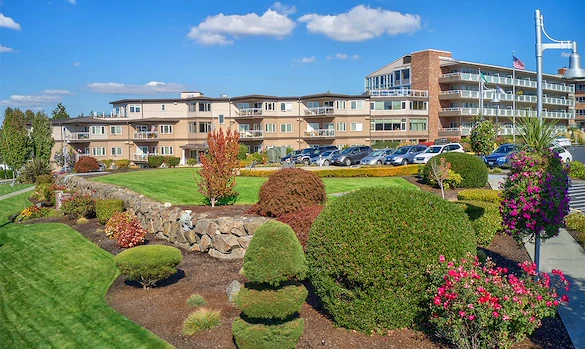 4.1Premium
Judson Park Senior Living
23600 Marine View Dr South Des Moines, WA 98198
Independent LivingAssisted LivingMemory CareLife Plan Community/CCRC -
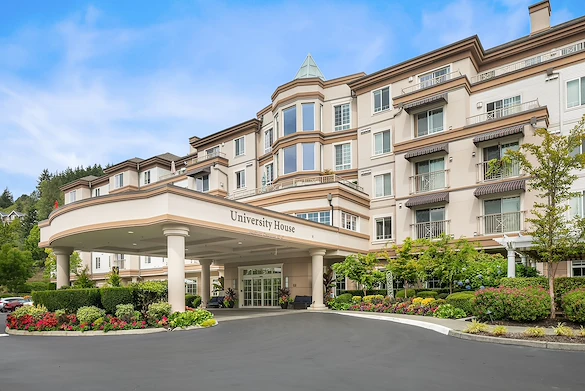 4.3Premium
University House Issaquah
22975 SE Black Nugget Rd Issaquah, WA 98029
Independent LivingAssisted Living -
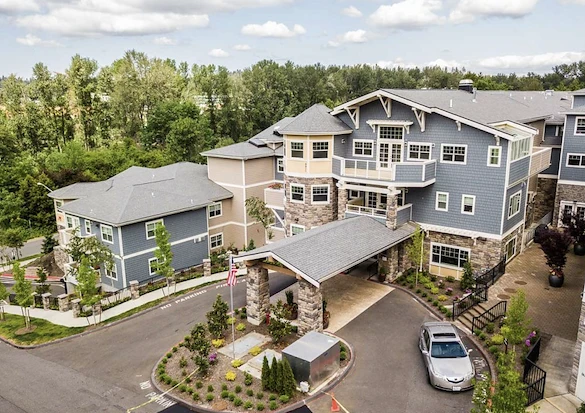 4.6Premium
Chateau Bothell Landing
17543 102nd Ave NE Bothell, WA 98011
Independent LivingAssisted LivingMemory CareRespite Care -
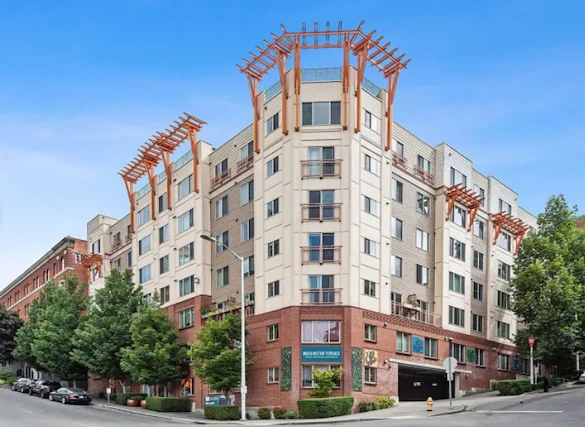 4.7Verified
Washington Terrace
120 6th Ave S Seattle, WA 98104
Independent LivingLow Income / Affordable -
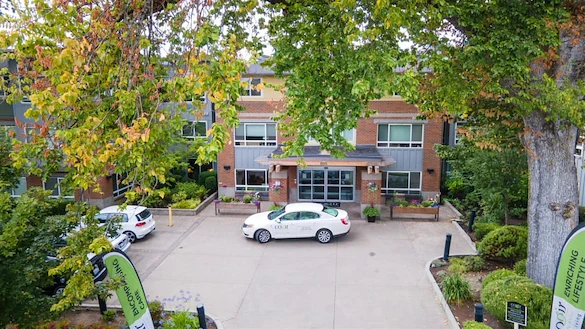 4.5Verified
Cogir of Queen Anne
805 4th Ave N Seattle, WA 98109
Independent LivingAssisted LivingRespite Care -
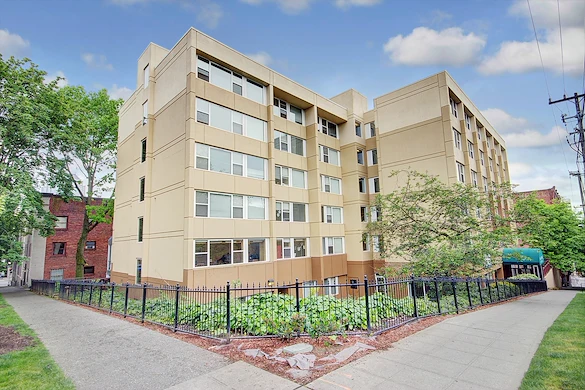 4.4Verified
Union Grand a Vineyard Park Community
1421 Minor Avenue Seattle, WA 98101
Independent LivingAssisted LivingMemory Care -
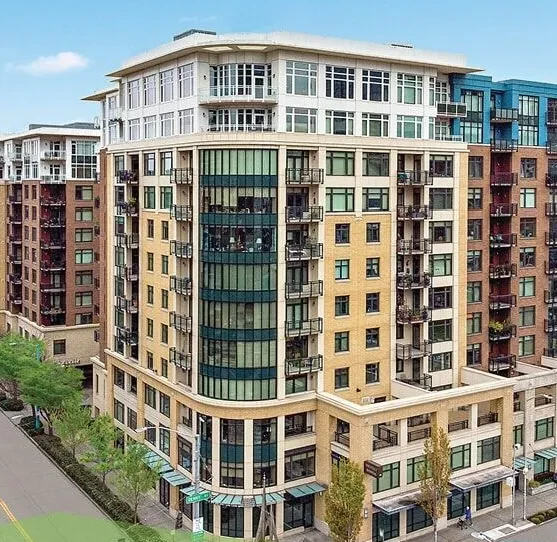 4.3
Mirabella Seattle
116 Fairview Avenue North Seattle, WA 98109
Independent LivingAssisted LivingLife Plan Community/CCRC


Assisted Living in Seattle, Washington
View All Providers-
3.9Premium+
Covenant Living at the Shores
9150 Fortuna Drive Mercer Island, WA 98040
Independent LivingAssisted LivingMemory CareLife Plan Community/CCRC -
4.8Premium
Merrill Gardens at Burien
15020 5th Ave SW Burien, WA 98166
Independent LivingAssisted LivingMemory Care -
4.3Premium
University House Issaquah
22975 SE Black Nugget Rd Issaquah, WA 98029
Independent LivingAssisted Living -
4.1Premium
Judson Park Senior Living
23600 Marine View Dr South Des Moines, WA 98198
Independent LivingAssisted LivingMemory CareLife Plan Community/CCRC -
4.6Premium
Chateau Bothell Landing
17543 102nd Ave NE Bothell, WA 98011
Independent LivingAssisted LivingMemory CareRespite Care -
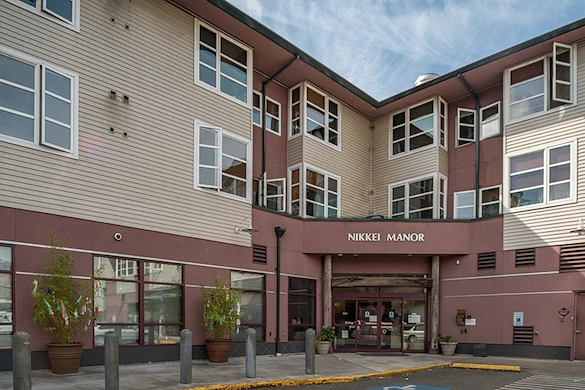
4.5Verified
Cogir of Queen Anne
805 4th Ave N Seattle, WA 98109
Independent LivingAssisted LivingRespite Care -
-
4.4Verified
Union Grand a Vineyard Park Community
1421 Minor Avenue Seattle, WA 98101
Independent LivingAssisted LivingMemory Care -
4.3
Mirabella Seattle
116 Fairview Avenue North Seattle, WA 98109
Independent LivingAssisted LivingLife Plan Community/CCRC

Memory Care in Seattle, Washington
View All Providers-
3.9Premium+
Covenant Living at the Shores
9150 Fortuna Drive Mercer Island, WA 98040
Independent LivingAssisted LivingMemory CareLife Plan Community/CCRC -
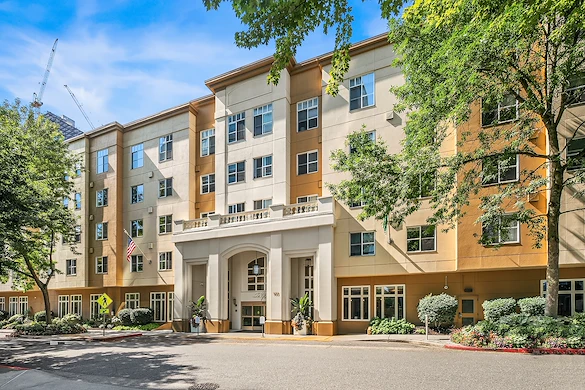 4.4Premium
The Gardens at Town Square
933 111th Ave NE Bellevue, WA 98004
Independent LivingAssisted LivingMemory Care -
4.1Premium
Judson Park Senior Living
23600 Marine View Dr South Des Moines, WA 98198
Independent LivingAssisted LivingMemory CareLife Plan Community/CCRC -
4.6Premium
Chateau Bothell Landing
17543 102nd Ave NE Bothell, WA 98011
Independent LivingAssisted LivingMemory CareRespite Care -
4.8Premium
Merrill Gardens at Burien
15020 5th Ave SW Burien, WA 98166
Independent LivingAssisted LivingMemory Care -
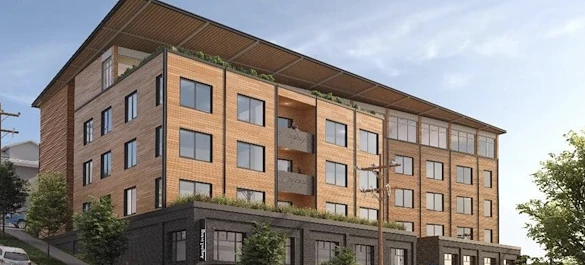 4.9Verified
Aegis Living Lake Union
1936 Eastlake Avenue E Seattle, WA 98102
Assisted LivingMemory CareRespite Care -
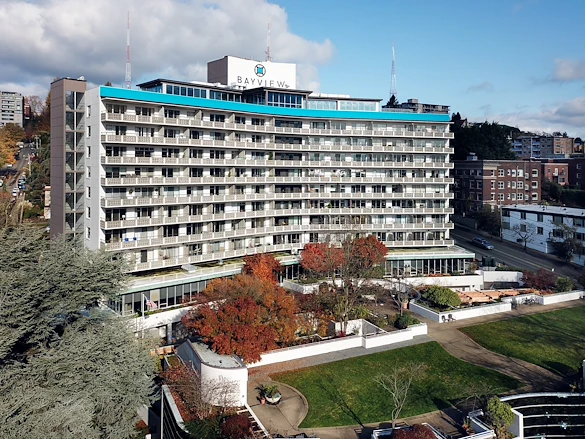 4.5Verified
Bayview Seattle
11 West Aloha Street Seattle, WA 98119
Independent LivingAssisted LivingMemory Care -
4.4Verified
Union Grand a Vineyard Park Community
1421 Minor Avenue Seattle, WA 98101
Independent LivingAssisted LivingMemory Care -
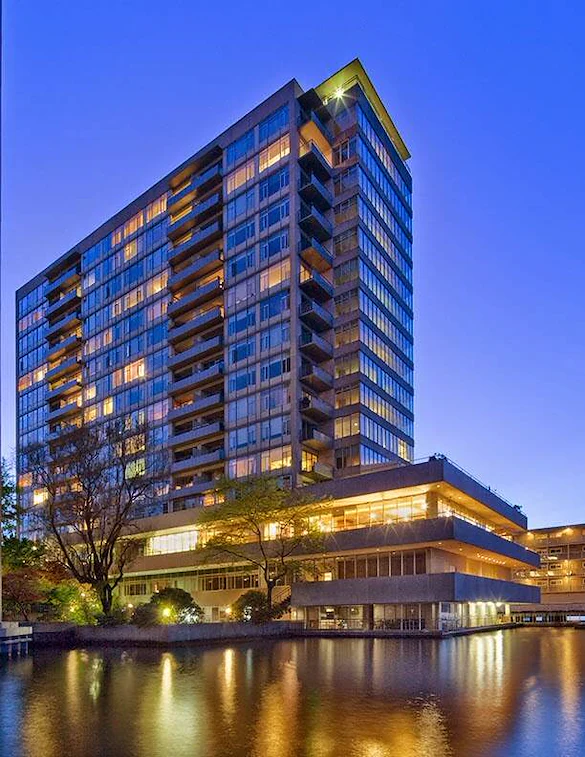 4.4Verified
Parkshore
1630 43RD AVE E Seattle, WA 98112
Independent LivingAssisted LivingMemory Care


Long Term Care & Skilled Nursing in Seattle, Washington
View All Providers-
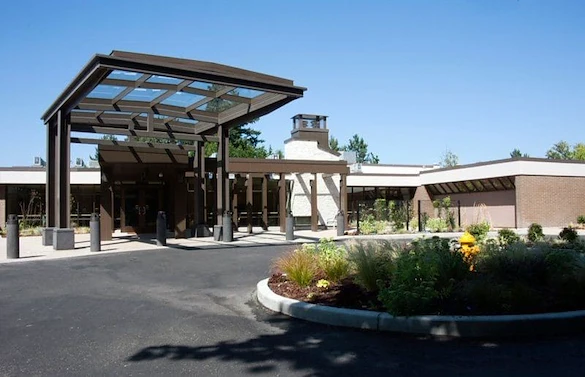 3.0Verified
Caroline Kline Galland Home
7500 Seward Park Avenue South Seattle, WA 98118
Long-Term Care / Skilled NursingSkilled Rehabilitation -
 3.0Verified
Bailey-Boushay House
2720 East Madison Seattle, WA 98112
Long-Term Care / Skilled NursingSkilled Rehabilitation -
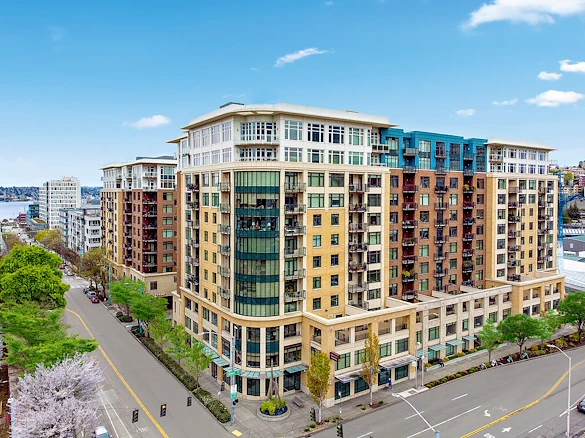 5.0Verified
Mirabella Seattle Health Center
116 Fairview Avenue N Seattle, WA 98109
Long-Term Care / Skilled NursingSkilled Rehabilitation -
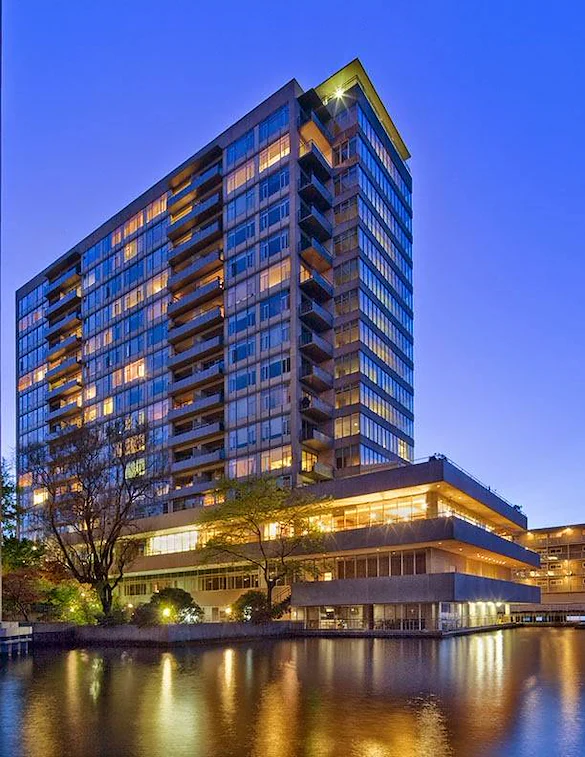 4.0Verified
Parkshore Health Services
1630 43rd Avenue East Seattle, WA 98112
Long-Term Care / Skilled NursingSkilled Rehabilitation


Compare Assisted Living Costs in Washington
Two figures in the chart tell the story: the Washington monthly figure for assisted living, set against the matching figure nationwide.
Cost details by care type, plus how people pay, sit on our Washington page under assisted living and independent living. Its home care and nursing homes sections follow the same pattern.
That page doesn't price memory care yet. For memory care questions, Aging and Disability Services is a good first call. It serves Seattle, WA, and all of King County as the Area Agency on Aging.
Local Resources for Older Adults in Seattle, WA
Each group here works with older adults in Seattle, WA. Several also cover the rest of King County. Their pages have current times, details, and rules on who can join.
- Lifelong Recreation. Classes, walks, and trips for adults 50 and over, run by Seattle Parks and Recreation. Lifelong Recreation for Adults 50+
- Dementia-Friendly Recreation. City outings for people living with memory loss, most of them aimed at the early stage. Dementia-Friendly Recreation
- Community Living Connections. The aging agency's advocates, who take questions about housing, rides, and caring for someone with dementia. Community Living Connections
- Access Transportation. Metro's van service, with how to apply and a map that checks an address. Access Transportation
- The Seattle Public Library, Adults 50+. Tech Help, classes, and programs with older adults in mind. Adults 50+
- The Seattle Public Library, Mobile Library Services. Bookmobile stops and home delivery, plus who can sign up. Mobile Library Services
- King Long-Term Care Ombudsman Program. The King County office of the state's ombudsman program, with an address in Federal Way, WA. Washington ombudsman offices
Frequently Asked Questions
Yes. Seattle Parks and Recreation runs programs for adults 50 and over. They focus on four things: physical activity, social engagement, education, and the arts. The programs serve adults of all abilities, including people with age-related limitations. At the Bitter Lake Community Center and the Loyal Heights Community Center, fitness classes include gentle yoga, body conditioning, and tai chi.
So a person can pick a class by comfort level and build a routine with familiar faces. On a tour of senior living communities, it's good to learn whether residents get rides to these centers and whether staff help with sign-ups.
Aging and Disability Services, or ADS, is the agency to know. It's a division of the Seattle Human Services Department. It's also the designated Area Agency on Aging for Seattle, WA, and King County, and it works in partnership with King County. The State of Washington's DSHS contact list names it as the county's agency, too.
ADS contracts with community groups for most of its services. Those cover adult day services, caregiver support, case management, legal support, nutrition, senior center, and transportation services. Most of them start with its information line, so one talk there can open several kinds of help.
Access Transportation is a King County Metro program of accessible vans. It's for riders 6 and older who qualify because a disability keeps them off regular buses and trains. A healthcare professional must co-sign the application, and an in-person evaluation at Harborview Medical Center is part of the decision. Metro rules within 21 calendar days once it has all it needs.
Vans go to addresses inside a three-quarter-mile band around regular Metro bus lines and Link stations, during the hours those run. The Access Service Map checks any address. Trips are booked between one and seven days in advance, with the day before as the cutoff. Metro also describes its Hyde Shuttle as door-to-door vans for seniors and adults with disabilities across King County.
Community Living Connections is a good first stop. It's a network of advocates, run through ADS, for adults dealing with aging or disability issues. Its advocates field questions on housing, getting around, and dementia caregiving. Every call stays confidential. After that, tour several assisted living communities, using one set of questions everywhere.
For oversight, the state's ombudsman program lists one office for King County: the King Long-Term Care Ombudsman Program, in Federal Way, WA. When the list is down to two or three, going back at a different hour, such as dinnertime, can make the choice clearer.
The Seattle Public Library helps people who are new to computers or the internet. You can get a one-to-one Tech Help session at the library or join a technology class. Its Adults 50+ programs also include ones especially helpful for older adults. Topics include learning a new technology, planning for retirement, and trying a creative hobby.
Book groups, genealogy appointments, and end-of-life planning workshops are on that list as well. The Library lists the Central Library, on Fourth Avenue, as fully accessible. That's useful for visitors who use a wheelchair or walker.
Seward Park is one choice. Seattle Parks and Recreation describes a 2.4-mile bike and walking path there, with old growth forest, a native plant garden, shoreline, and beaches. The department also lists restrooms and drinking fountains at the park, which helps when someone is planning a longer outing.
A visit can be a short stop at the beach or a walk along the full path. That makes it work on low-energy days and lively ones alike. If you're comparing independent living communities, it's worth asking whether park outings show up on the activity calendar.
Sources, checked Nov. 10, 2026: Seattle Parks and Recreation, Seattle Parks and Recreation outdoor programs, Seattle Parks and Recreation dementia programs, Green Lake Park, Seward Park, NOAA climate normals, CMS hospital data, Virginia Mason Franciscan Health, Aging and Disability Services, Aging and Disability Services programs, Aging and Disability Services caregiver support, Washington State DSHS, DSHS assisted living locator, Washington State Legislature, RCW 18.20.540, King County Metro, The Seattle Public Library, Pike Place Market, Seattle Central College, and Washington State Long-Term Care Ombudsman Program.