

21,669
Population of Pleasant Prairie

4,165
Residents aged 65 and older in Pleasant Prairie

205
Senior Living & Care Options in Pleasant Prairie

$5,793/Month
Average cost of Senior Living & Care in the area.
Pleasant Prairie, with a population of 21,669, is home to 4,165 residents aged 65 and older. The city offers 205 senior living and care options. The average monthly cost of senior living & care in the area is $5,793.
On a summer day in Pleasant Prairie, WI, Lake Andrea can hold a swim, a sail, or a morning of fishing. The Village calls it a 110-acre spring-fed lake inside Prairie Springs Park. It has a public beach, and wind surfers use it too. A 2.3-mile paved trail loops around the water, and the park stays open year round.
The Village's RecPlex sits on the lake's shore, and the Village bills it as the largest municipal recreation complex in America. Then there's the big lake. Lake Michigan Park opens Lake Michigan to the public, with 550 feet of beach and a picnic area. So one week of senior living in Pleasant Prairie, WI, could hold a lap of the trail, a stop at the RecPlex, and a beach picnic with visiting family.
As for location, the Village says it sits between I-94 and the Lake Michigan shoreline, 37 miles from Milwaukee, WI, and 57 miles from Chicago, IL.
Cold weather shapes the calendar here. The 1991 to 2020 NOAA normals come from the Kenosha Regional Airport station, outside the Village. January's average low there is 16.4°F, and July's average high reaches 83.8°F. So January nights run far below freezing, while July brings real beach weather.
Healthcare is part of the local picture, too. Froedtert Pleasant Prairie Hospital is in the Village, and Froedtert says the emergency room there never closes. Medicare's hospital records add two more in Kenosha, WI: Froedtert South and the Aurora Medical Center there. Both carry Medicare's acute care label, with emergency services marked yes. In plain terms, each can admit patients for short-term hospital treatment.
A lot of the help for older adults here comes from Kenosha County, including rides and group meals. The FAQ further down explains which office does what. The sections in between cover each type of care, beginning with help at home. When certain senior living communities in Pleasant Prairie, WI, catch your eye, you can contact them on your own. Browsing is free for families, and what you discuss with a provider stays private.
Pleasant Prairie, WI at a Glance




Independent Living & Active Adult Living in Pleasant Prairie, Wisconsin
View All Providers-
 4.4Premium
Primrose Retirement Community of Mt. Pleasant
1775 N. Newman Road Racine, WI 53406
Independent LivingAssisted Living -
 4.5Verified
Modena Green Oaks
29330 N Waukegan Rd Lake Bluff, IL 60044
Independent LivingAssisted LivingMemory CareRespite Care -
 4.4Verified
Killarney Kourt
8800 Shannon Ln Sturtevant, WI 53177
Independent LivingAssisted Living -
 4.8
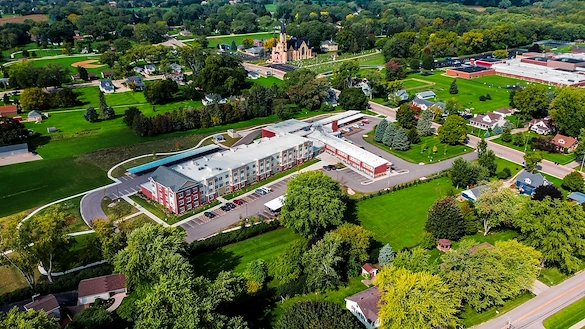
Berkshire Johnsburg
2117 West Church Street Johnsburg, IL 60051
Independent LivingLow Income / Affordable -
 4.1Verified
Green Oaks Senior Living
14595 W Rockland Rd Libertyville, IL 60048
Independent LivingAssisted LivingMemory Care


Assisted Living in Pleasant Prairie, Wisconsin
View All Providers-
 4.5Premium
Alto Grayslake
1865 E Belvidere Rd Grayslake, IL 60030
Assisted LivingMemory CareRespite Care -
 4.2Premium
Primrose Retirement Community of Pleasant Prairie
9651 Prairie Ridge Blvd Pleasant Prairie, WI 53158
Assisted LivingMemory Care -
 4.6Verified
Brookdale Kenosha
10108 74th St Kenosha, WI 53142
Assisted LivingMemory CareRespite Care -
-

-


Memory Care in Pleasant Prairie, Wisconsin
View All Providers-
4.5Premium
Alto Grayslake
1865 E Belvidere Rd Grayslake, IL 60030
Assisted LivingMemory CareRespite Care -
4.2Premium
Primrose Retirement Community of Pleasant Prairie
9651 Prairie Ridge Blvd Pleasant Prairie, WI 53158
Assisted LivingMemory Care -
-
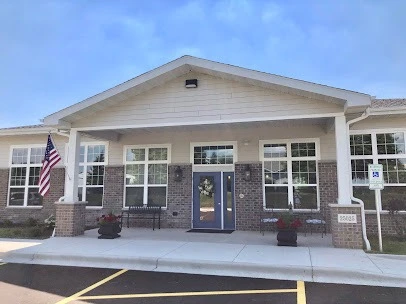
4.6Verified
Brookdale Kenosha
10108 74th St Kenosha, WI 53142
Assisted LivingMemory CareRespite Care -
-
 4.6
Home Inspired Senior Living
1201 Village Centre Drive Kenosha, WI 53314
Assisted LivingMemory Care


Long Term Care & Skilled Nursing in Pleasant Prairie, Wisconsin
View All Providers-
 2.0Verified
Elevate Care Waukegan
2222 Audrey Nixon Boulevard Waukegan, IL 60085
Long-Term Care / Skilled NursingSkilled Rehabilitation -
 1.0Verified
Ascension Living Lakeshore at Siena
5643 Erie St. Racine, WI 53402
Long-Term Care / Skilled NursingSkilled RehabilitationRespite Care -
 5.0Verified
Brookside Care Center
3506 Washington Rd Kenosha, WI 53144
Long-Term Care / Skilled NursingSkilled Rehabilitation -
 2.0
Avina of Kenosha
3100 Washington Rd. Kenosha, WI 53144
Long-Term Care / Skilled NursingSkilled RehabilitationRespite Care


Home Care in Pleasant Prairie, Wisconsin
View All Providers-
 4.9Verified
Cornerstone Caregiving - Burlington
3200 Sheridan Rd, Ste 102 Kenosha, WI 53140
Home Care (Non-Medical) -
 4.6Verified
BrightStar Care of Gurnee
1125 Tri-State Parkway #700 Gurnee, IL 60031
Home Care (Non-Medical) -
 4.5Verified
Senior Helpers - Racine
6211 Durand Avenue Suite 101 Racine, WI 53406
Home Care (Non-Medical) -


Compare Assisted Living Costs in Wisconsin
Below, a chart shows how Wisconsin's monthly assisted living cost compares with the national figure.
Our Wisconsin page covers assisted living and independent living costs, plus home care and nursing homes, along with how people pay.
That page doesn't include a memory care cost section. Questions about it can go to the ADRC of Kenosha County, which the state's Department of Health Services lists for the county.
Local Resources for Older Adults in Pleasant Prairie, WI
Kenosha County and the Village run most of the programs older adults here use. Each link below opens the program's own page, with details on who qualifies and how to sign up.
- ADRC of Kenosha County. The Aging and Disability Resource Center for the county, with caregiver groups, a Dementia Care Specialist, and help sorting out options. ADRC Resource Library
- Kenosha County Transportation Services. One page that lays out the county's ride options, from paratransit and LINK to volunteer drivers. Transportation Services
- Wisconsin ombudsman program. The Board on Aging and Long Term Care's county-by-county list of regional ombudsmen. Ombudsman Coverage Map
- Village parks and beaches. The Village's guide to its parks, trails, and Lake Michigan and Lake Andrea beaches. Parks and Beaches
- RecPlex Therapeutic Recreation. Village programs at the RecPlex for people with physical and intellectual disabilities, adults included. Therapeutic Recreation
- Kenosha Public Library Home Delivery. Books and other library materials brought to qualifying homebound residents of the county. Home Delivery
Frequently Asked Questions
The ADRC of Kenosha County is the place to start. Wisconsin's Department of Health Services lists it as the Aging and Disability Resource Center for Kenosha County, which includes Pleasant Prairie, WI. The ADRC calls itself a single entry point for information and help on issues facing older people and people with disabilities, whatever their income.
Help comes by phone, at the Resource Center on Sheridan Road in Kenosha, WI, or in the home. That makes the ADRC a useful stop before any tours. It can talk through help at home as well as moves to senior living. A short list of daily needs keeps that first conversation focused.
Kenosha County lists a volunteer driver program for county residents 60 or older, and for adults with a disability. Volunteers drive their own cars, rides can be any day and time, and trips are booked three business days ahead. Riders need to walk on their own and get into the car with little help.
The county's other two ride services draw their lines at I-94. Its paratransit names the city of Kenosha, WI, east of I-94, as its service area, and LINK serves residents west of I-94. Neither one names the Village. The ADRC's Mobility Manager helps county residents understand their transportation options and offers route planning and travel training. That's where to check which ride fits an address.
Start by trimming this page's assisted living listings to a short list of three or four. Then visit each one carrying an identical written list of questions. For outside help, Wisconsin's state ombudsman program names a regional ombudsman for Kenosha County. That ombudsman's only client is the long-term care consumer age 60 and older.
When you call, you give the county or a community's name, so keep your list close. On tours, you may want to compare how each community writes a care plan, who's awake at night, and which charges sit outside the monthly rate. Going back at a different hour shows a fuller picture. The complaint steps in the Assisted Living section are good to keep for later, too.
Kenosha County's Senior Dining program serves group meals for people 60 and older, and a spouse of any age can come along. The ADRC lists the program, which a local nonprofit runs, and meals are reserved a day ahead. One site is the Kenosha Senior Center in Kenosha, WI, and another county site is in Bristol, WI.
The Kenosha Senior Center also offers blood pressure screening. If driving is a hurdle, the program lists door-to-door accessible rides to the county's senior meal sites. Eating with a group now and then puts familiar faces into the routine. It can be a good outing for anyone still living at home.
Pleasant Prairie, WI, gets its library service from Kenosha Public Library rather than a Village branch. The Village's own library link points residents there. The library's list of locations (Northside, Simmons, Southwest, Uptown, and a children's branch at Uptown) has no branch named for the Village.
The library also runs Home Delivery for Kenosha County residents east of I-94 who are confined to home by illness, injury, or disability. It's for people with no one who can come to the library for them. If that sounds like someone you care for, the library can say whether a given address qualifies. It's a simple way to keep reading at home.
The ADRC of Kenosha County runs a Caregiver Coffee Club, led by the county's Dementia Care Specialist. It meets once a month, and caregivers can join in person or by video or phone. Anyone interested calls the ADRC to register. The phone and video options help caregivers who can't easily step away from home.
A regular group gives caregivers a place to compare notes with people who know the strain firsthand. For practical help, Meals on Wheels, covered in the Home Care section, can take one daily task off the list. Pairing a support group with a little help at home can make caregiving easier to keep up.
Senior Living Near Pleasant Prairie, WI
Checked Oct. 16, 2026: the Village's pages on beaches, Prairie Springs Park, parks, natural areas, trails, the RecPlex and Therapeutic Recreation; the U.S. Census Bureau; NOAA climate normals; Froedtert South; CMS hospital data; the Wisconsin Department of Health Services on ADRCs, complaints, and DQA regional offices; Wisconsin Administrative Code ch. DHS 83; the Kenosha County ADRC Resource Library; Kenosha County Transportation Services; the state's ombudsman program; and Kenosha Public Library.